
For those who don't know, GDC is the Game Developers Conference -- the game industry's annual gathering in San Francisco where developers, publishers, and partners meet to share work, make connections, and take the temperature of where games are heading. I went without a shipped game to show. I went with a buggy demo, a head full of design and production issues, and five months of challenges that demanded a change of scenery. I came back with a revitalized spirit and something I didn't have before: a clearer picture of what the path forward looks like, and the right people to help me walk it.
Since the last update I wrote -- the one from February, where I talked about finally slowing down enough to watch my son sound out the letters of his name — a lot has happened. The animation issues that had been giving us trouble got resolved. The demo was playtested by real players, and their feedback is being worked through now. More importantly, I spent February and March getting every core game system to 85% completion. What that means in practical terms is that the programming foundation of this game is essentially done. What remains is the world itself -- building out the floors of the house, populating it with everything that makes it the authentic, meaningful place it's meant to be. Much of the invisible work is behind us. What comes next is the part you'll actually be able to see on live streams of development work, which I'm happy to announce will return Monday, March 23rd. Between now and then, I am working with potential partners I met at GDC to establish a roadmap to shipping this game.
I want to take a moment to tell you what this game actually is. Not the mechanics, not the systems -- the soul of it.
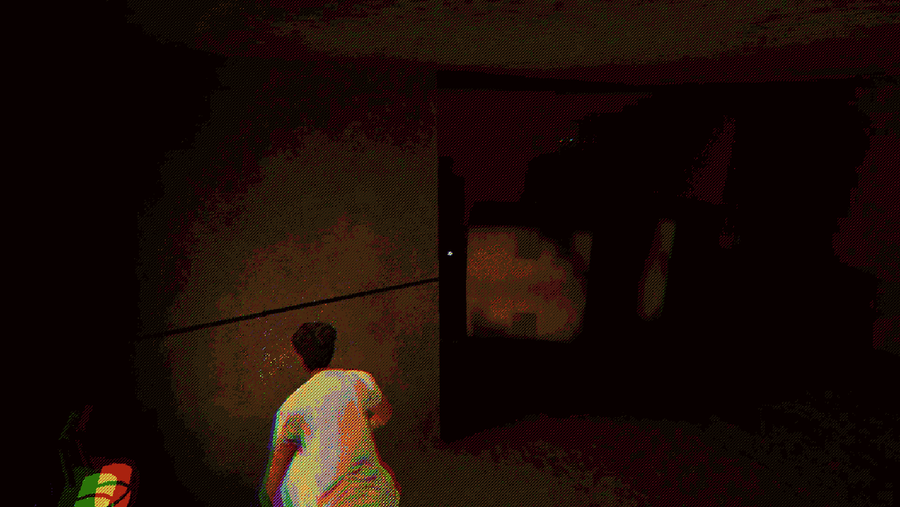
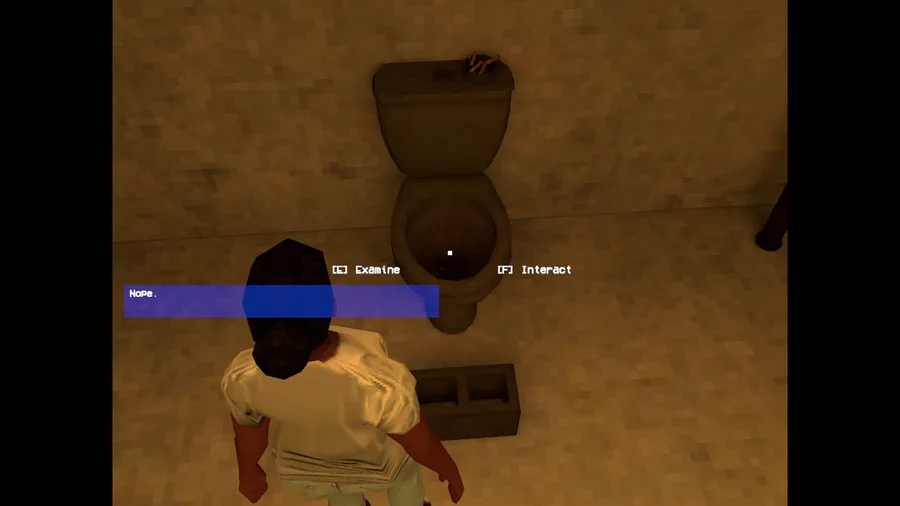
A Quiet House in Flatbush is set in a neighborhood in 1992 Brooklyn. You play a young woman who is abducted on her walk home through Flatbush and wakes up in a dungeon beneath a house in a historic section of Flatbush named Albemarle Terrace -- a real hidden enclave, tucked inside the borough most New Yorkers think they know.
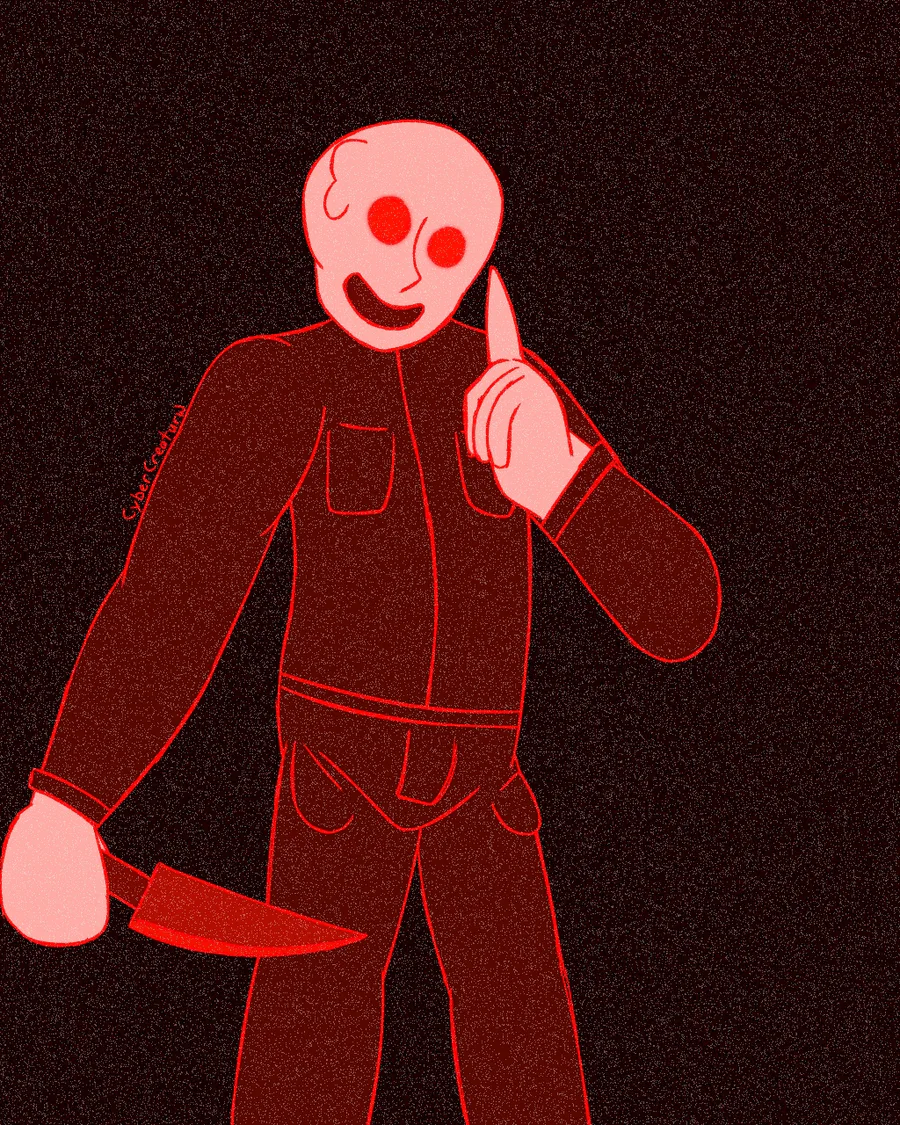
The house belongs to a killer. The game is about surviving it. That's the surface.
Beneath the surface: this is a game about what it means to confront the situation at hand rather than look away. The player who pays attention -- who reads the walls, who explores every room, who refuses to quit -- will find that the house is not just a place to survive. It is a portrait of a person, assembled piece by piece, and understanding that portrait is what makes survival possible. The game doesn't tell you this, but it does show you -- if you're paying enough attention to see it.
The tagline is: "Death will set you free." You'll find that this means more than it appears to -- it always does.
-----
There's an unlikely film I keep coming back to while building this game that is supposed to be reminiscent of an 80s/90s slasher: No Country for Old Men. There's a scene (you probably know it) where Anton Chigurh claps a coin onto a gas station counter and tells the man behind it to call it. Heads or tails. The man doesn't quite know what's at stake, at first. He tries to deflect, to have a conversation, to make it about something other than what it is.
Chigurh won't let him. "Call it," he says. "The coin has been traveling twenty-two years to get here... ...and you have to say. Call it."
The people who take the coin toss in that film -- who look at what's in front of them clearly, accept the reality of the situation they're in, and make their call -- have a chance. Not a guarantee: a chance. The ones who refuse to engage, who cannot bring themselves to accept that this is actually happening, always die: not as punishment for hesitating, but because a person who doesn't understand what they're facing can't make the decisions that survival requires.
That principle is threaded through every system in this game. The game isn't going to give you any unearned information. The player who engages and pushes forward through every puzzle, trap, and encounter, is "calling it." They're in the game, not passing through it, and whether they make it out depends on what they decide to do. The player who doesn't engage, breezes past vital information and refuses to fully accept what the house is... that player will lose in the dark, and they won't even understand why.
I've been thinking about this a lot in the context of my own life. When the offer came to leave federal service -- the fork in the road, as it was literally described to us -- I watched people I'd worked alongside for years face the same moment I faced. Many "called it" -- whether they chose to stay, or leave, they did so with both eyes open. Many others hesitated. They told themselves they'd wait and see, and that not choosing was a kind of safety.
It wasn't. The coin was already in the air. The people who waited to see are now watching their positions get eliminated, finding themselves in a tough job market without the runway that an intentional, chosen departure would have given them. They didn't avoid the consequences of the moment. They just gave up their ability to meet those consequences on their own terms.
I'm not saying I knew exactly how this would go when I walked out the door in October. I didn't, and I still don't know how that story will end -- but I called it. I looked at what was in front of me, I accepted that this was actually happening, and I made the decision with everything I had. The consequences of that decision are mine, and the path forward is mine. That's not nothing.
This studio is called Fork in the Road Productions for a reason. Every game we make will be about those forks in the road you face, about the doors that close forever when you choose, and about the greater cost that comes when you don't. This theme wasn't something I conjured from memories of a dark movie first seen huddled around a laptop with comrades under a clear starry night in 2007 Iraq. I've been living this my whole life.
-----
Production has been, as you've seen, a bear. Lessons learned the hard way, one after another. I don't need to repeat them here -- check out our earlier posts on Patreon to catch a glimpse. Through all of it, the game kept getting clearer. The constraints made it sharper. The difficulty made it a worthier effort. I think that's what happens when you're making something that has something real to say.
If you've been here since the beginning: thank you. You watched this get off the ground from nothing. If you're new here, welcome. You're arriving at a good moment.
If any of this resonates with you, share this page with someone you think would want to be part of the journey. That's all I'll ask.
More soon.
-Rob






0 comments