

100
Voltorb (The Ball Pokémon)
Its body appears to be a perfect lookalike of a standard Pokéball. It self-destructs with very little stimuli, so extreme caution is advised.
It was first discovered in a Pokéball factory. Its exact origins are unknown.

Next up
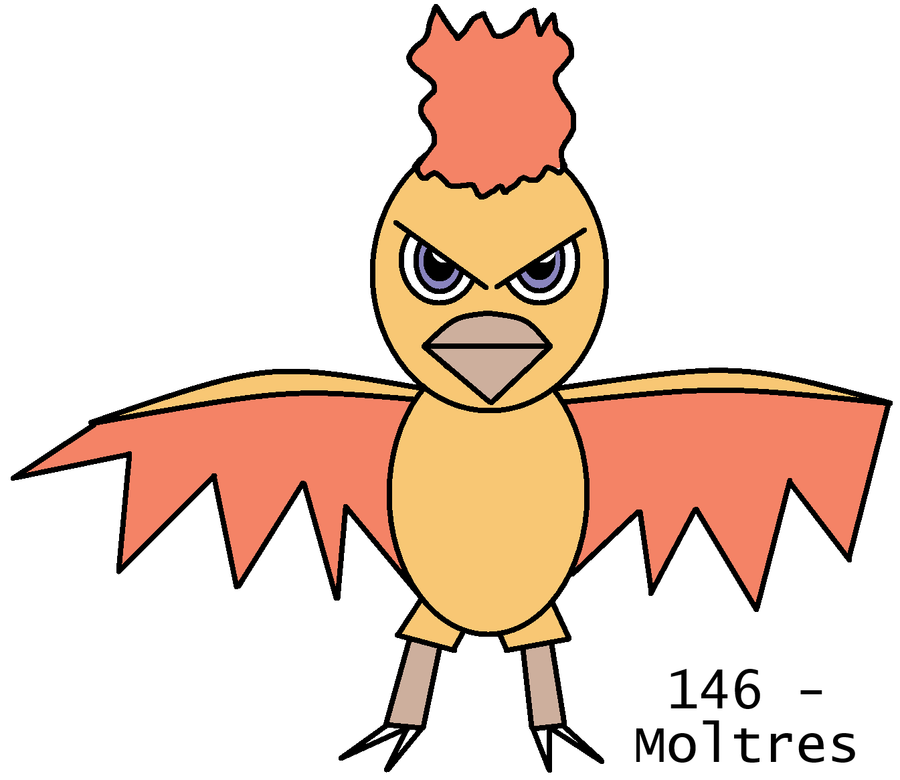
146
Moltres (The Flame Pokémon)
The third and last legendary bird. Its wings appear to be made of fire, and its flappings create ember wherever it goes.
It's said that if injured, this Pokémon will dip itself into molten magma to heal itself.
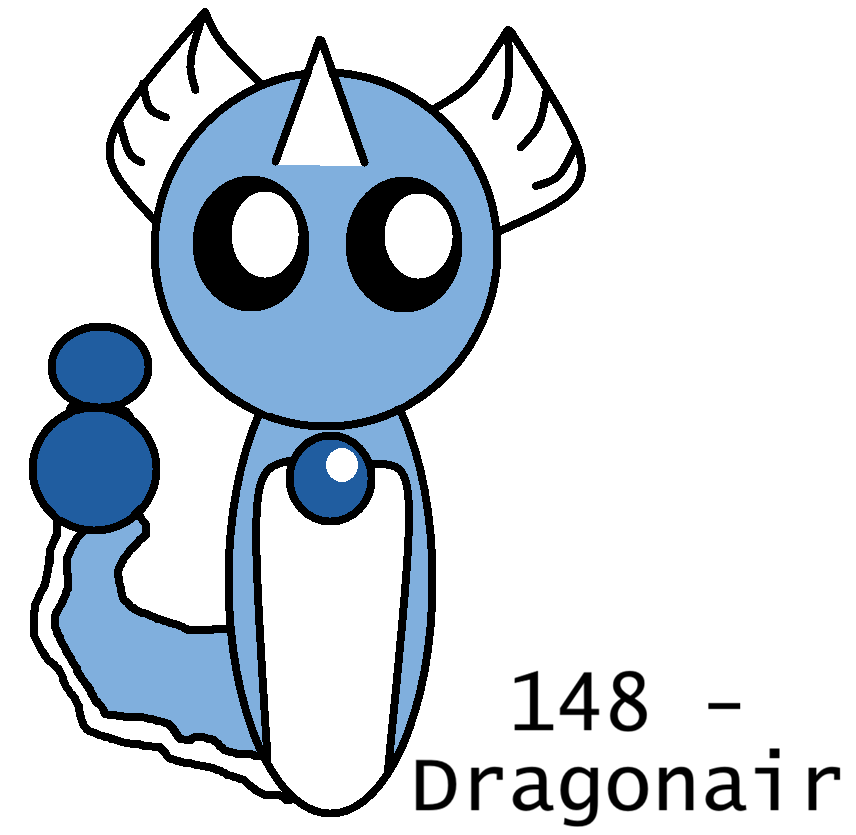
148
Dragonair (The Dragon Pokémon)
Sometimes called the Divine Pokémon. Despite not having wings, it can be seen flying. It also emits a gentle aura capable of changing the weather.
...or is it the crystalline orbs? We're not sure.
(2-23-26)
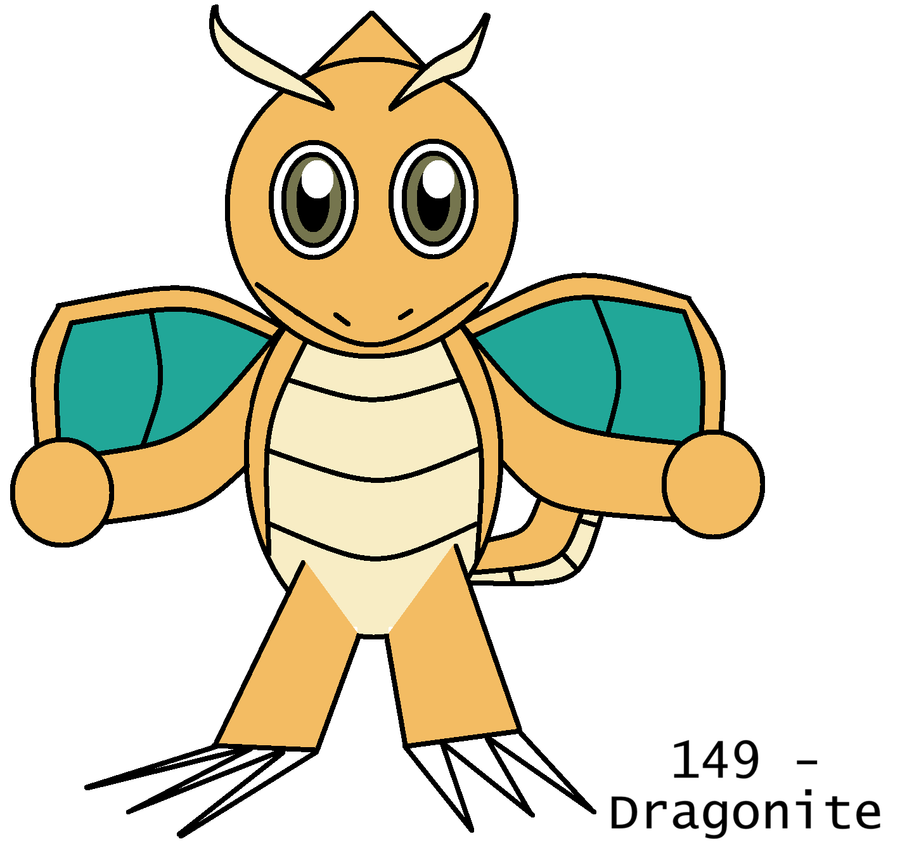
149
Dragonite (The Dragon Pokémon)
Apparently just as intelligent as humans. It's fast enogh to fly arou the entire planet in just 16 hours.
It's said to live in the sea, helping crews from shipwrecks get back to shore safely.
Do NOT anger it.
(2-24-26)


This week's Fan Art Friday celebrates Pokémon! Accept the quest in your quest log to get started.

143
Snorlax (The Sleeping Pokémon)
Often found blocking the path for no good reason. All it ever does is eat and sleep.
Snorlax will only wake up to eat and isn't satisfied until it eats around 900 pounds of food, then it goes back to sleep.


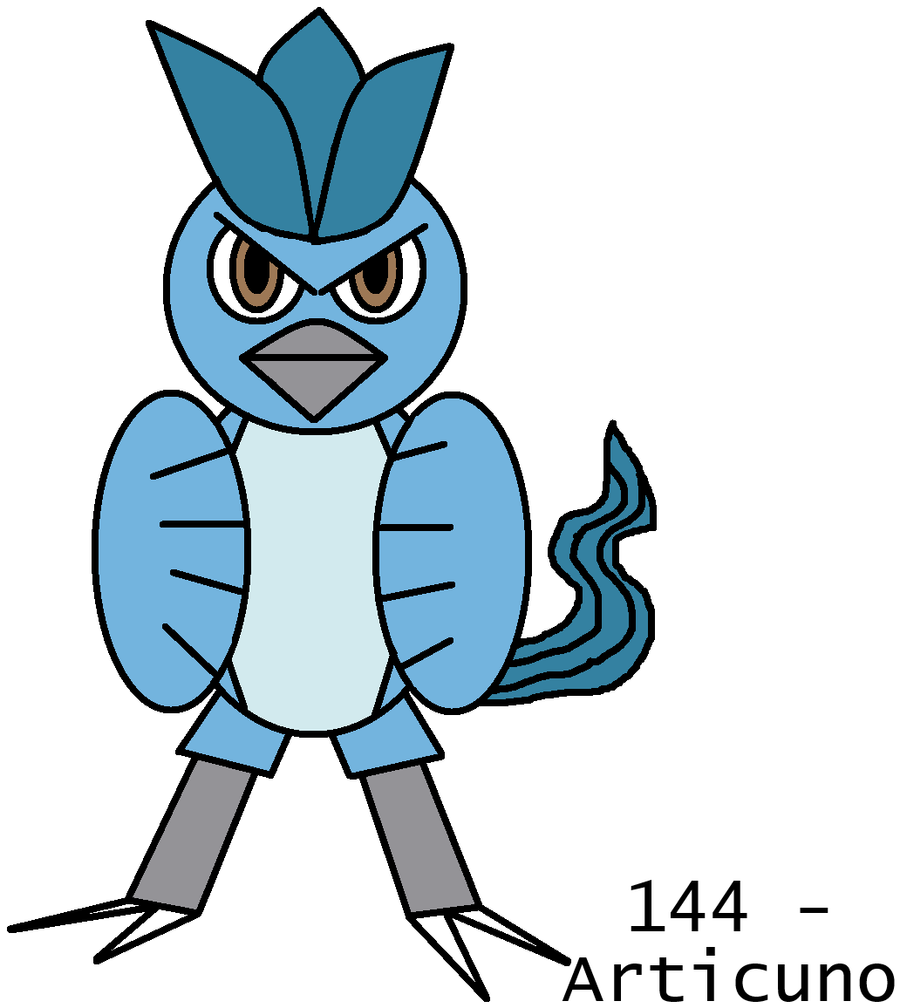
144
Articuno (The Freeze Pokémon)
One out of the three legendary bird Pokémon around Kanto. It controls ice and snow, and is able to create a blizzard by freezing moisture in the air.
It appears to doomed people in icy mountains. If you see one, RIP.
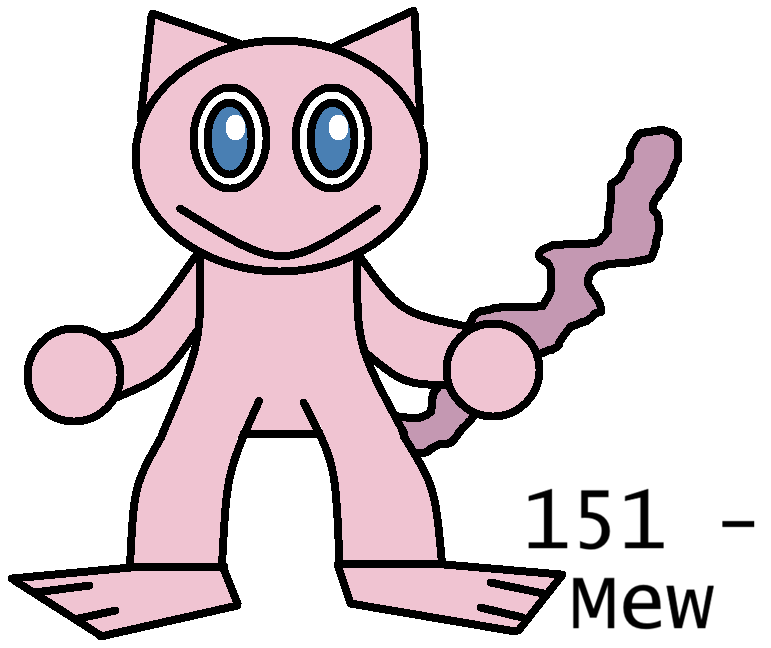
151
Mew (The New Species Pokémon)
First spotted in South America. Mew appears to have the genetic codes of all the region's Pokémon, meaning it can learn all of their moves.
It's often said to be hidden under a truck, but those are just rumors.
(2-26-26)


🎊🎉✨ Happy Pokémon 30th Anniversary!!! ✨🎉🎊
For this one, i want to show you my reimagine of Timmy from "The Purr-fect Hero" as adult with his Persian! hope you like! 🐱🐾✨
#Pokemon #PokemonDay #Pokemon30thAnniversary #Fanart #DigitalArt #Art #NoAI 🔥💧🍃⚡

150
Mewtwo (The Genetic Pokémon)
A Pokémon created through horrific genetic experiments using Mew's DNA. It's a much more savage copy.
The scientists who made it had dreams of making it the region's most powerful Pokémon.
...and they succeeded.
(2-25-26)
4 comments