
A USP (Unique Selling Proposition) isn't a unique idea,
not something "like this has never been done before," or a set of features.
A USP is a clear answer to the question:
why a player should choose this project among hundreds of others.
If this answer can't be articulated, then there is no USP.
Why a USP is needed:
- Development focus
- A USP helps eliminate unnecessary details.
Any decision in a project should either enhance the USP or not interfere with it.
Publisher filter:
A publisher looks at the USP to understand:
- Does the project have a place in the market;
- Is its potential player clear;
- Can it even be described in simple terms.
Communication foundation:
A USP is the basis for presentations; for descriptions; for trailers;
for future marketing.
What a USP is not:
- Genre;
- Setting;
- Visual style;
- a list of mechanics;
- the "soul of the project."
All of these elements can support a USP, but they don't replace it.
What does a working USP look like?
A good USP:
- can be formulated in 1-2 sentences;
- is understandable to someone outside of development;
- is supported by gameplay, not promises;
- can be read vertically.
If a USP can't be seen in the game, it doesn't exist.
Typical mistakes:
- Trying to be "for everyone."
- Substituting the author's personal passion for the USP.
- Seeking uniqueness in quantity, not focus.
- Creating a USP in words, not in mechanics.
How a publisher views a USP:
A publisher isn't interested in how unique a project is,
but in how distinctive it is.
The publisher's question is:
"Can I explain this project in 10 seconds to someone who doesn't know it?"
If not, the USP needs some work.
The key is:
A USP isn't a project's embellishment, but its core.
Without a USP, a game can exist, but it will struggle to get noticed.
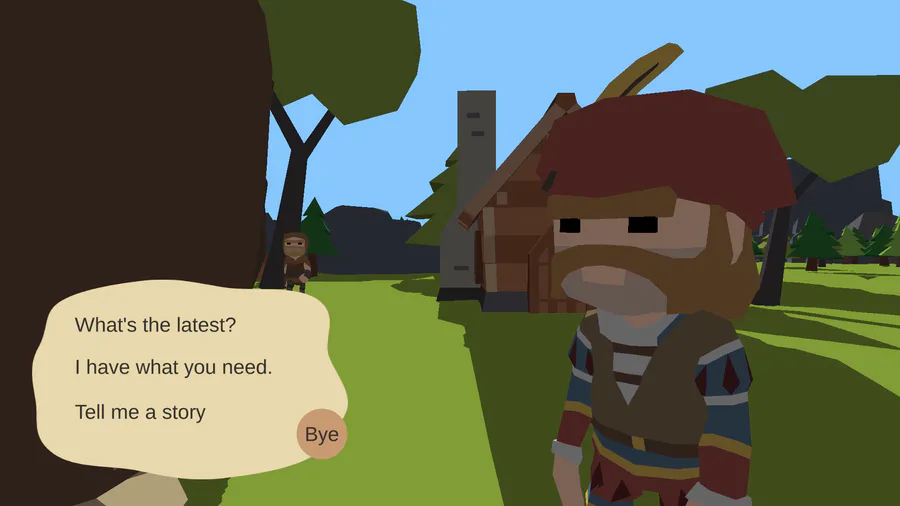
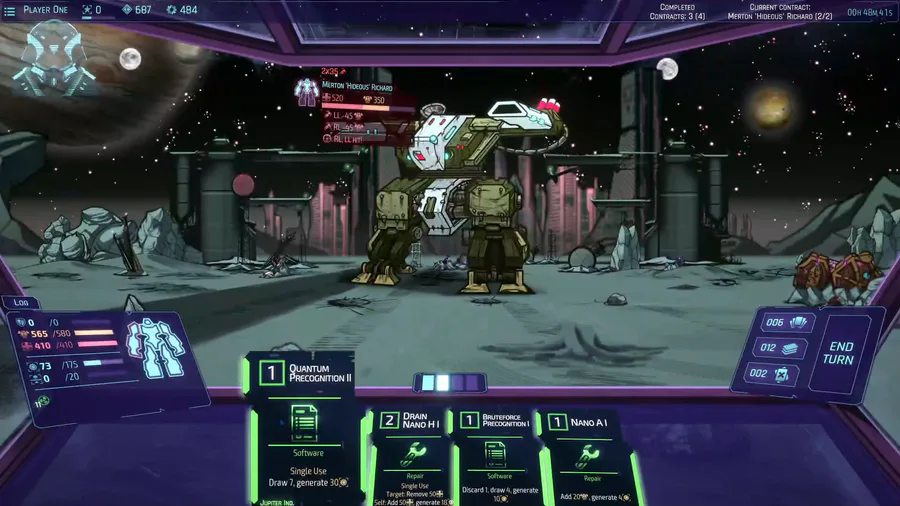
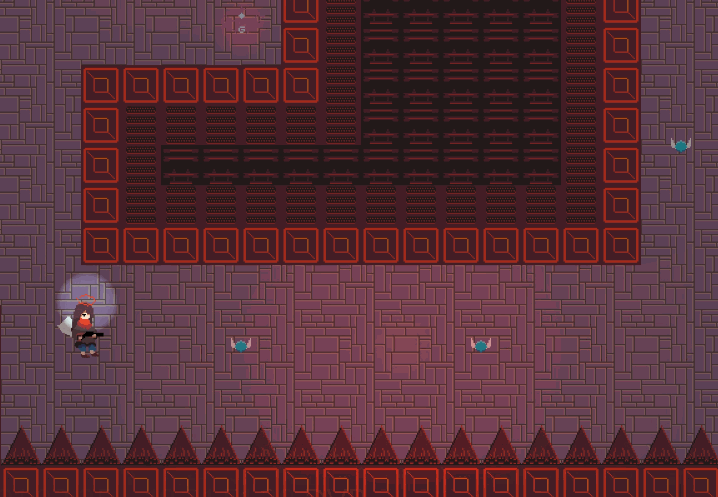
The vertical slice here shows whether the USP exists in practice,
not in descriptions.
















0 comments