 Loading...




Next up
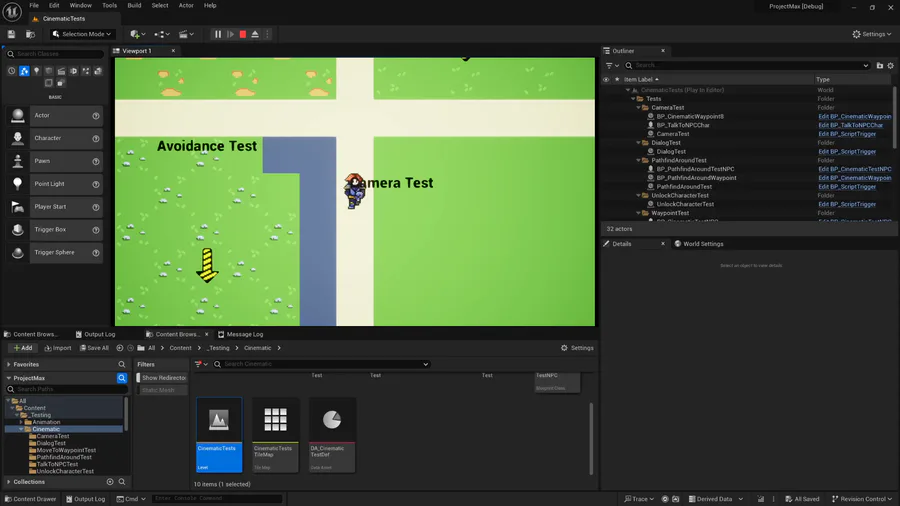
We also have some camera work to show off. It was a bit tricky trying to figure out how to get Unreal to both attach a camera to a character but also prevent the camera from showing things outside the play space. Using a camera mod does the trick though.
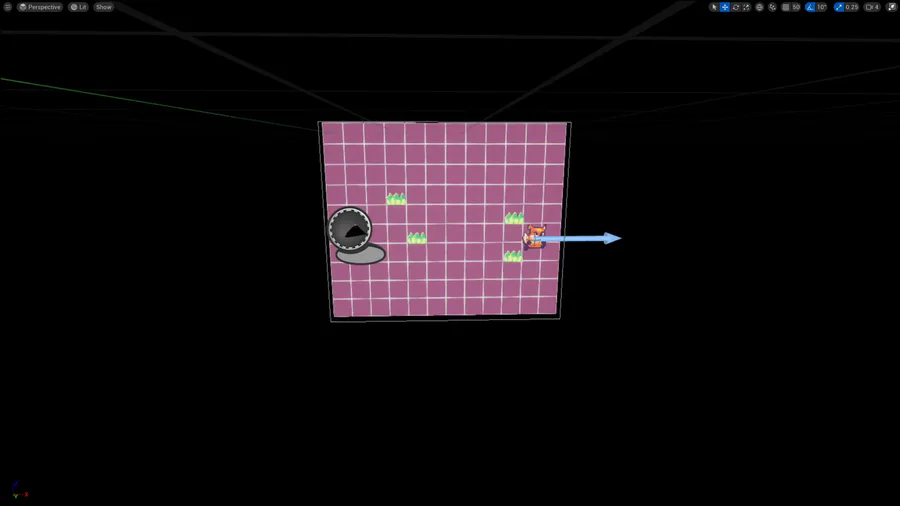
Having a flashy combat sequence is one of the best parts of Shining Force. Inspired by Darkest Dungeon, I wanted to try to pull the camera in and make combat more personal. This video was a test of the Unreal sequencer to see what it might look like.
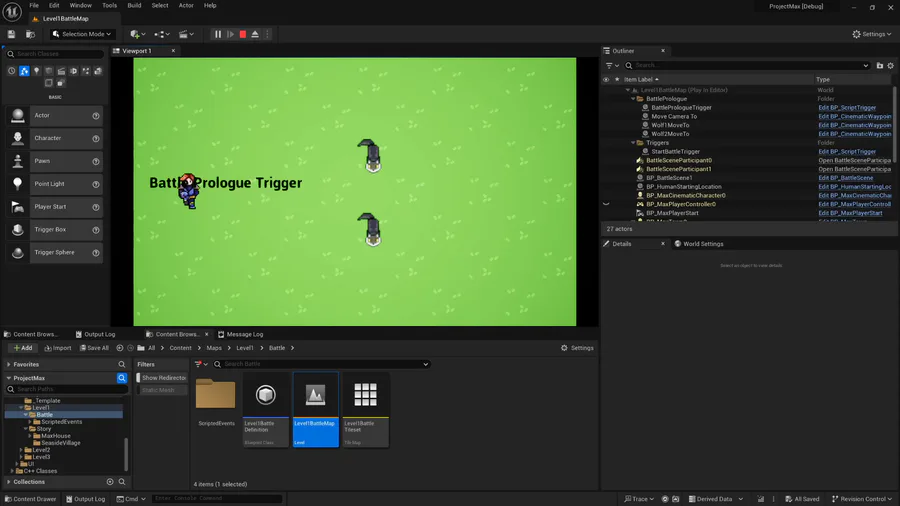
The final video shows the end result of a few months of work, chaining together a series of scripted events that ultimately results in a battle sequence being started.



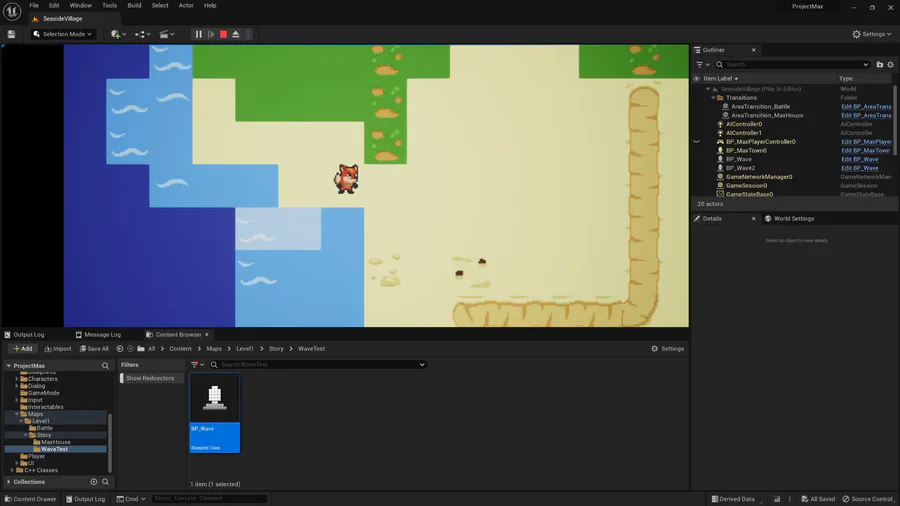
An early test on swapping sprites to simulate the movement of a wave. Unreal is pretty bare-bones when it comes to swapping out tiles, so we had to get pretty creative to even achieve this result. Unsure if we will use it, but was a fun test!


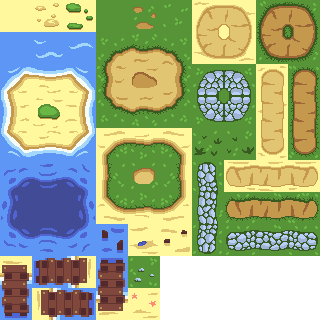
One of the first levels the player will explore is their hometown, a seaside village. This is the first draft at that tileset!

Trying to get a feel of the starting area, and most importantly how much the player can see. The original Shining force displayed everything in a 12x12 grid, but was also rendered 4:3.

Happy Devruary! Devruary Day 6 celebrates @Narwhalnut 
 ! They program bugs (in the game Insectile)! We also have a question for the devs of Game Jolt: What dev habit helps you the most?
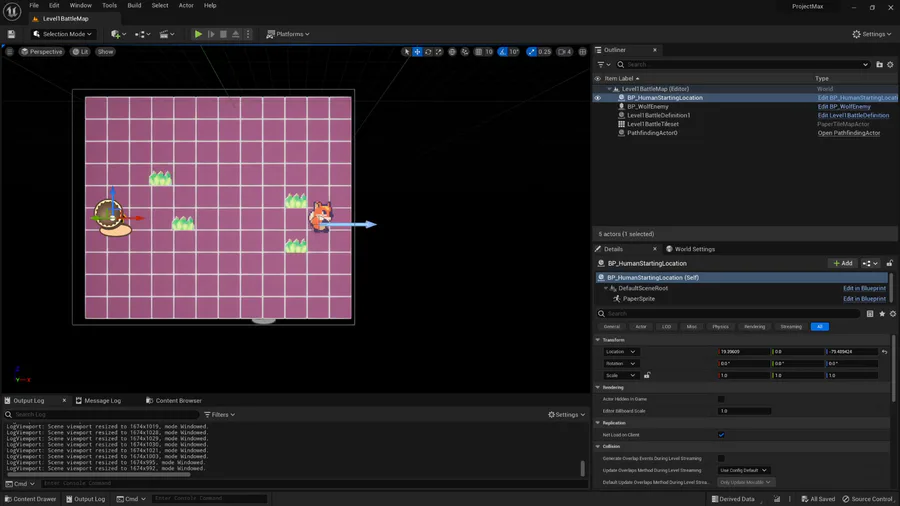
The first pass at our battle system. The basic flow is in, allowing the player to position, attack and end turns - after which the enemy moves and attacks. Although Shining Force never had a combat forecast, I always enjoyed that feature in newer SRPGs.
0 comments