
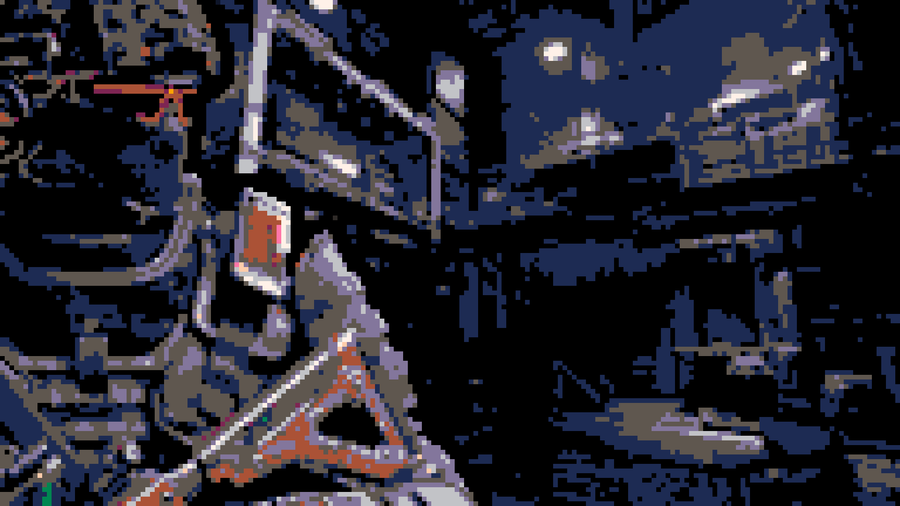
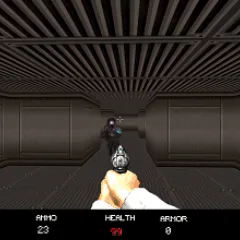
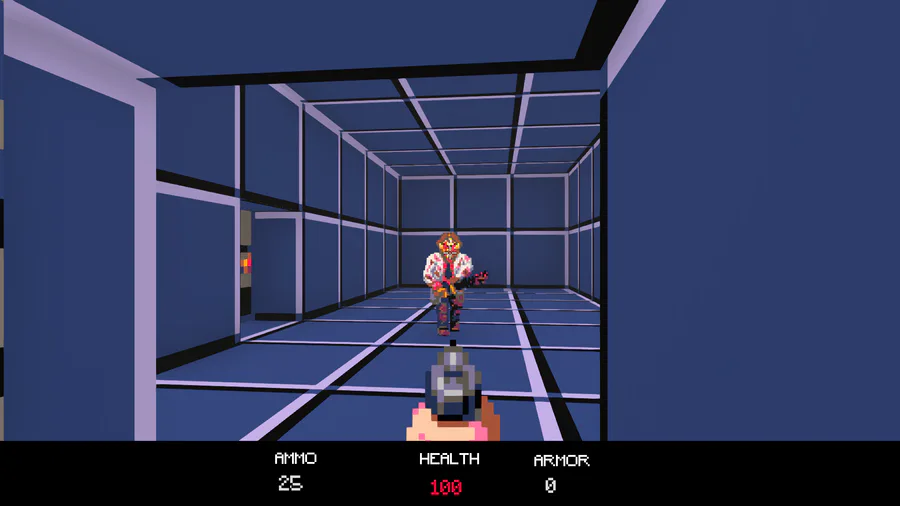
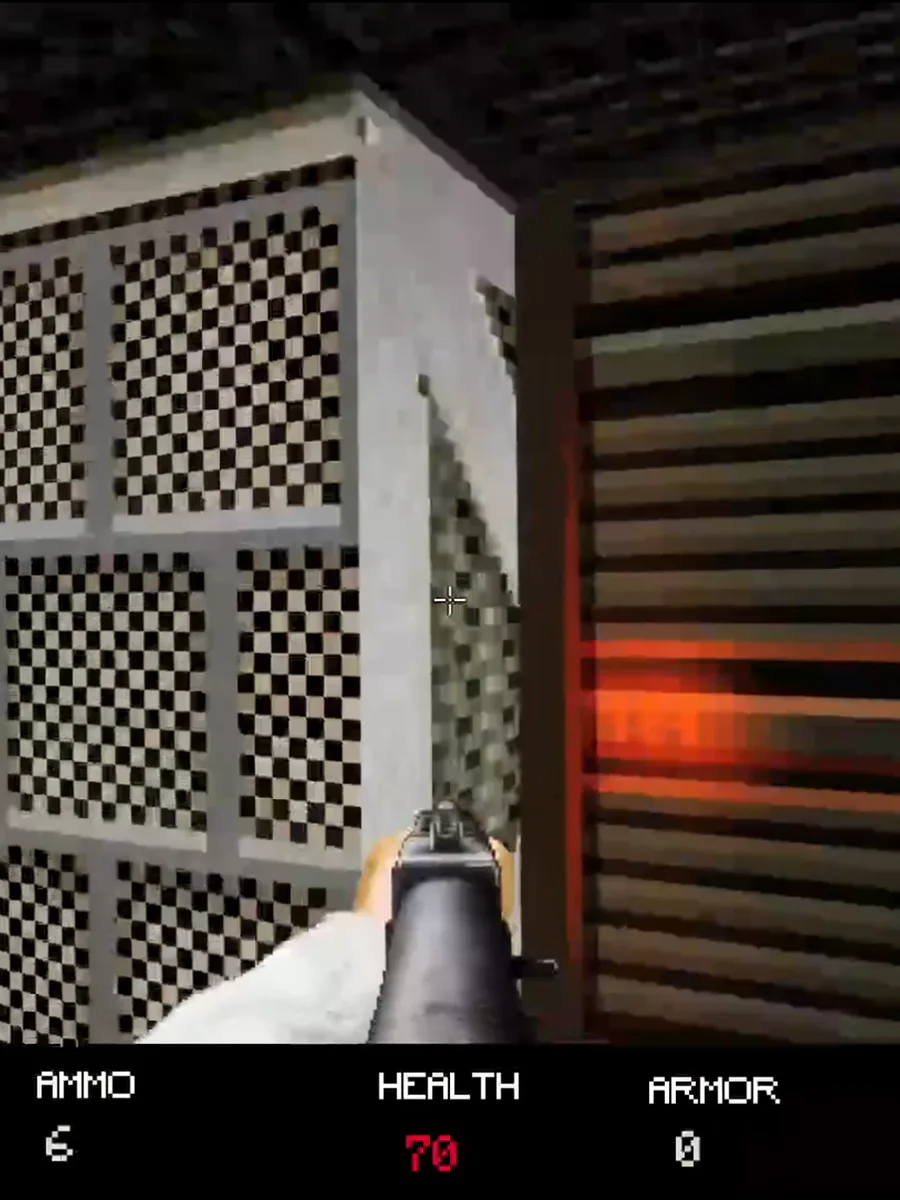
We needed to reduce the scope of the project, and to do that we reduced the resolution of the game's pixel art and chose the Pico8 color palette, which is quite limited, with only 16 colors. This allowed us to both speed up the game's art production and improve its visuals.
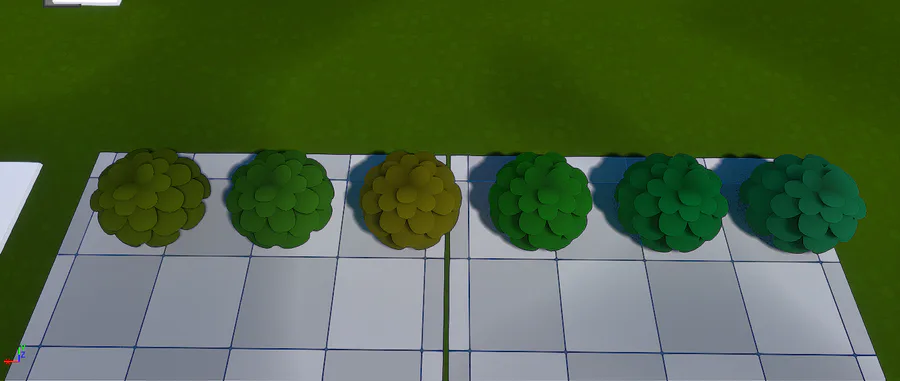
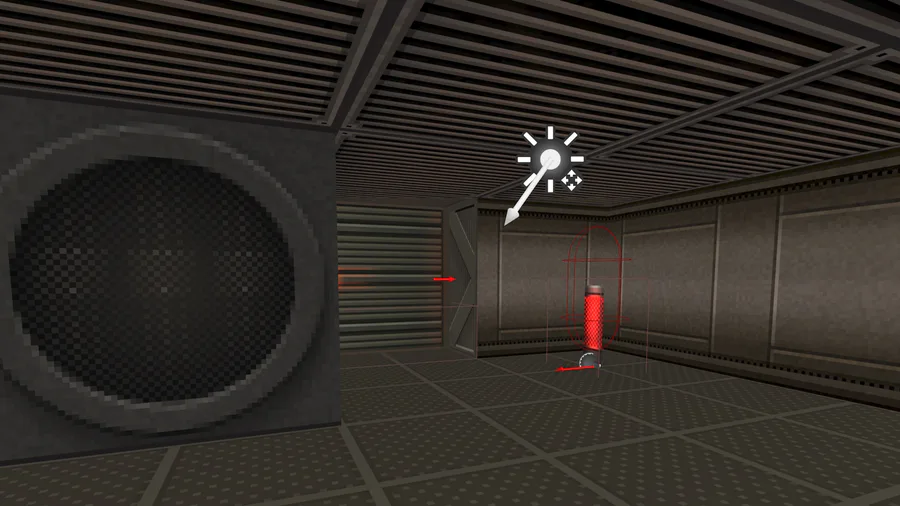
However, we did run into some problems with the Unreal Engine and, in part, what people call the "Unreal Look" to refer to the generic realistic visuals that games made in Unreal Engine tend to have, but we managed to work around most of these problems. There are many things that influence this generic appearance, one of the most important being the default Unreal Engine tonemapper, which distorts texture colors and adds unnecessary contrast. We disabled it, as well as other post-processing effects and global illumination, which was affecting the scene's colors. With this, we achieved very high color parity with those outside of Unreal Engine, but for some reason, a minimal distortion still exists.
Even without using Unreal Engine's heavy technologies like Lumen, Nanite particles, Niagara, Chaos physics, or rendering shadows or reflections, the game remains demanding for computers without a dedicated graphics card. This isn't a problem, as the game runs well on any simple graphics card like a GTX 1050 or an APU with a good processor, but it doesn't match the game's simplicity. If it were made in Unity or Godot, it would be able to run on simpler and older computers. Unreal really has this entry barrier.
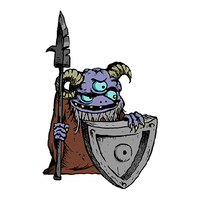
Now, the next steps in the project are to create new textures and sprites following the new color palette and work on the menus and GUI of the game. Thank you for your attention!

0 comments