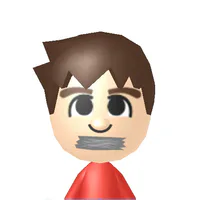

I've actually written out some hefty lore for Terry T. Cat for his previous game, A Terry Video Game. A lot of it still applies.
Also, if it helps, we're going by Roger Rabbit logic, and a lot of the names in this intentionally resemble real-world people, but off-brand. Also, I didn't take Leon Schlesinger into consideration, but most people don't, anyway.
A long time ago, around the 1920s, Fritz Freelance created a cartoon character named Terry T. Cat. Actually, he went by Terry E. Veryman in the planning stages, then was named Terry Tomcat, then renamed to Terry T. Cat. The point is, Terry T. Cat is an old black-and-white cartoon cat, from before the days of sound. He hasn't aged since 1931. He co-starred with Millie Kitten (formerly Millie Manx), Derpy Dog (occasional antagonist/victim), and Waldo Magicman (the usual antagonist) in a long series of silent and sound-and-mime-only cartoons.

Back in 1921, Terry's first cartoon was produced by Milton Davis for Planet Pictures. After a few cartoons, Planet Pictures let go of Milton Davis, who would later form his own big animation company. From then on, Fritz Freelance directed Terry’s cartoons to some critical acclaim.
When Fritz wanted to leave the company, he fought for the rights to the character of Terry. Planet Pictures tried to claim that Terry was owned by their company. However, Fritz and Terry won the legal dispute when Fritz showed the original drawings and storyboards he made to the court, and drew him in front of everyone. They left Planet Pictures, and joined Lerner Bros. and animated Terry cartoons for them.
With the start of sound in film, Terry’s shows started to get voice acting. However, animated characters from the late '20s and early '30s looked very disturbing when they talked, due to the inexperience of the animators at animating lip-syncing mouths. After the failure of his first talkie, Terry refused to talk since, and had it written in his contract that he wasn't allowed to speak in any work he appeared in. Terry’s co-stars, however, started to get voice acting from Will White and Jane Advent, and outshone the cartoon cat.
Terry had worked under multiple directors, including Bob MacKenzie, Charlie Smith, and Rex Averill. Terry's favorite director to work with was Rob Campbell, because Rob would let him just go insane and do whatever he wanted, so long as it made people laugh.
Over time, Terry seemed to be forgotten until Charlie Smith started directing his new cartoons outside of Lerner Bros. By Fritz’s request, Charlie kept Terry a silent actor, and decided to keep him black and white to save money. Thankfully, Charlie’s direction made Terry work back in the ‘50s. Charlie’s experience with Terry taught him how to make good sound-and-mime-only cartoons.
However, Terry and Charlie had a falling-out because Terry found Charlie's direction not very funny, especially when Charlie Smith went into television animation. Yes, his work was well-animated, but it lacked his usual timing, and felt so full of itself with its intellect, that Charlie forgot to write any jokes worth a hearty laugh. (It also didn't help that when Charlie had his own studio, he forgot to bring his old writer from Lerner Bros. on board.) Not to mention, Charlie wanted to rub out Rob Campbell's name out of the history books, and Terry wouldn't stand for it.
So, Terry went back with Fritz Freelance for the last few years he was alive, did a few TV gigs with him and Charlie Smith, and retired in Toonsville.
As you can expect, he became a forgotten cartoon character. Even his co-stars had bigger careers than him, because they could talk and sing Jazz classics. All Terry could do was dance, mime, do wacky sound effects. and take constant pratfalls.
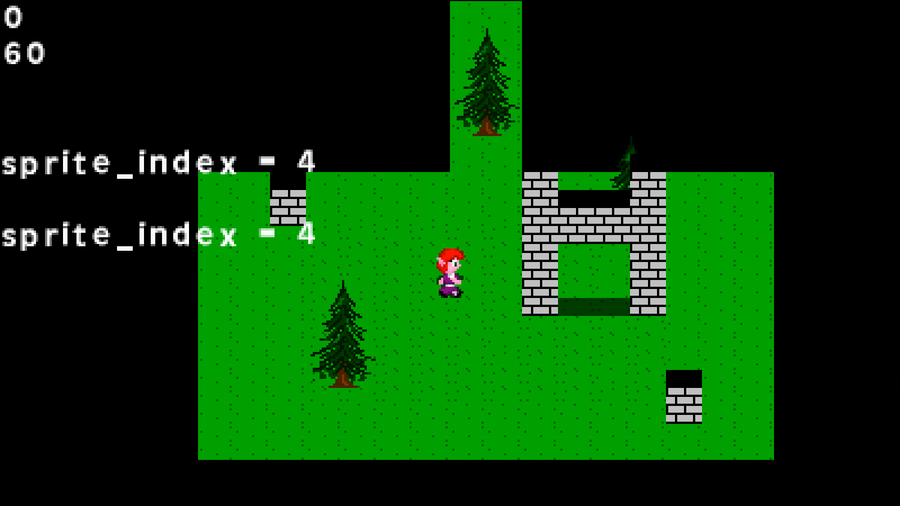
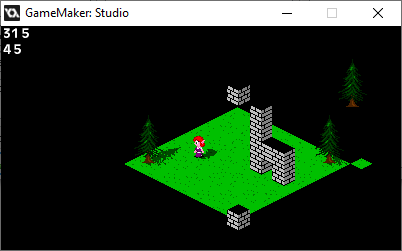
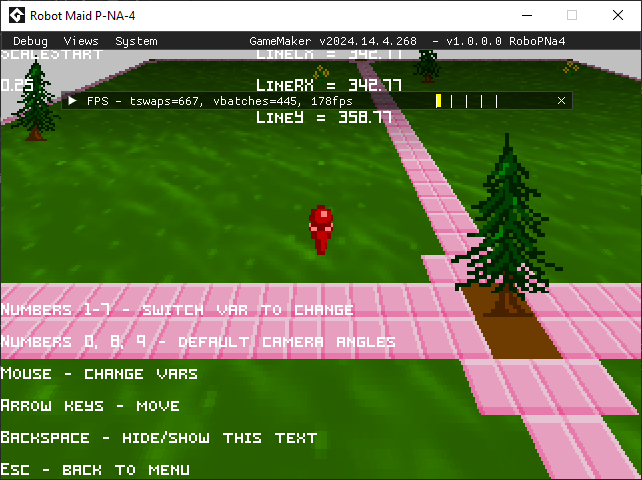
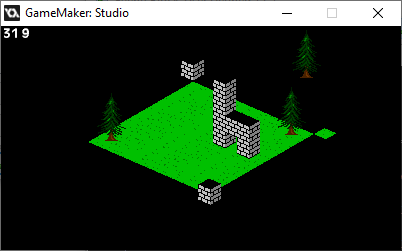
He did appear in a video game once in the 2010s, but not many people cared, and it wasn't the best game, anyway.



0 comments