
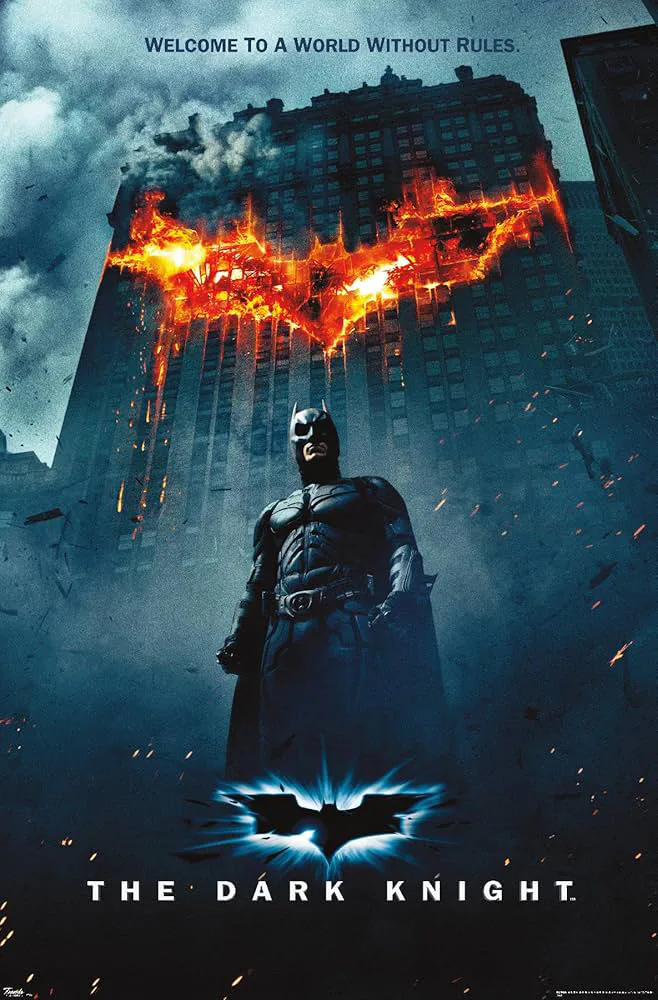
Rating: 10 / 10
The Dark Knight is, in my view, not only one of the greatest superhero films ever made, but one of the most intellectually commanding crime dramas of modern cinema. What separates it from its genre contemporaries is its refusal to function merely as entertainment. It operates as a moral examination, an exploration of chaos, order, sacrifice, and the fragility of societal structure under pressure.
Directed once again by Christopher Nolan, the film abandons the traditional “hero’s journey” framework and instead constructs a philosophical battleground. Gotham is no longer simply corrupt; it is on the brink of moral collapse. The narrative escalates with relentless precision, but what resonates with me most is how every action sequence carries ethical consequences. Violence is not stylized for spectacle, it is disruptive, destabilizing, and psychologically invasive.
Christian Bale delivers a more burdened and introspective Bruce Wayne than before. Batman here feels less like a symbol of vengeance and more like a necessary contradiction. He is willing to erode his own moral boundaries to preserve the greater good, and that internal corrosion is palpable. The film challenges the sustainability of his crusade, questioning whether a symbol rooted in fear can truly coexist with justice.
However, what undeniably defines the film is Heath Ledger’s portrayal of the Joker. This performance, in my opinion, transcends the genre entirely. Ledger’s Joker is not motivated by greed or power, but by ideological disruption. He represents chaos in its purest philosophical form, an agent determined to expose the hypocrisy of moral systems. What makes him terrifying is not unpredictability alone, but conviction. He believes in what he is proving, and that belief destabilizes everyone around him. His presence turns the film from a crime epic into a psychological siege.
The film’s treatment of Harvey Dent, portrayed by Aaron Eckhart, adds another layer of tragic depth. Dent embodies hope, the possibility that Gotham can heal within the system. Watching that hope fracture under trauma reinforces the film’s central thesis: even the most virtuous individuals are vulnerable to corruption when pushed beyond their limits. The transformation into Two-Face is not theatrical; it is devastating.
Technically, the film is executed with extraordinary discipline. The use of IMAX cinematography enhances scale without sacrificing intimacy. The score by Hans Zimmer and James Newton Howard intensifies tension with minimalist precision, particularly the Joker’s unsettling tonal motif, which feels less like music and more like psychological intrusion.
What I admire most is the ending. The film does not offer triumph in the traditional sense. Instead, it concludes with moral sacrifice, Batman choosing to become the villain in the public eye to preserve Gotham’s fragile hope. It is a bold, almost tragic resolution that elevates the narrative beyond heroism into myth.
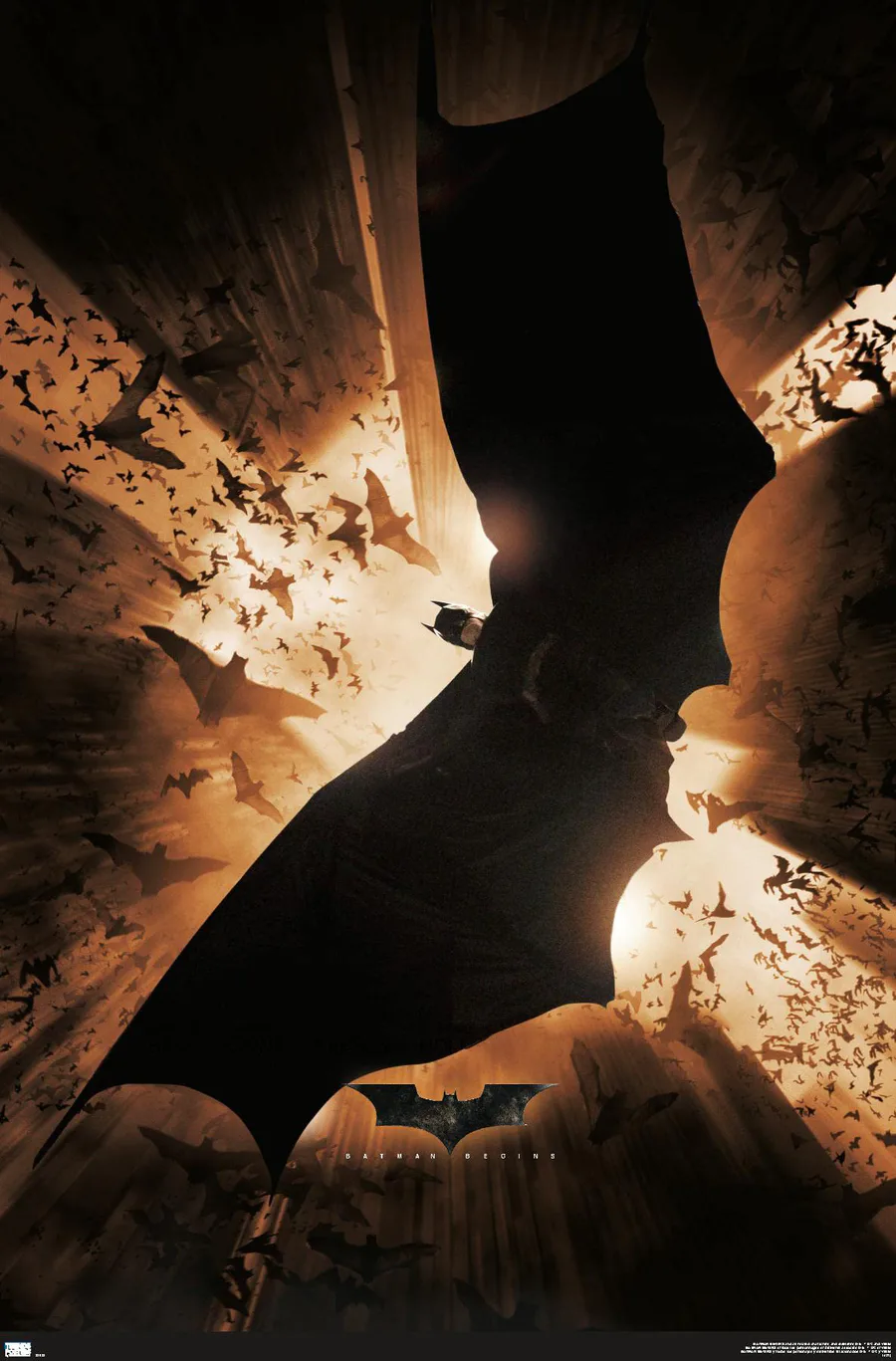
If Batman Begins was about the birth of a symbol, The Dark Knight is about the cost of being one. It is relentless, intellectually provocative, and emotionally sobering. For me, it represents the rare moment where blockbuster filmmaking and profound thematic storytelling align perfectly.






0 comments