
From grey box to finished world
Every level in the game starts as a blockout. A rough layout built from simple geometric shapes. No real materials, no finished models, just crude objects slapped together to test whether the space actually feels right to move through and fight in. Does the pacing work? How does the flow of the movement feel? Can you actually see what's going on during combat? These are some of the questions we're answering at this stage, not "does it look pretty."
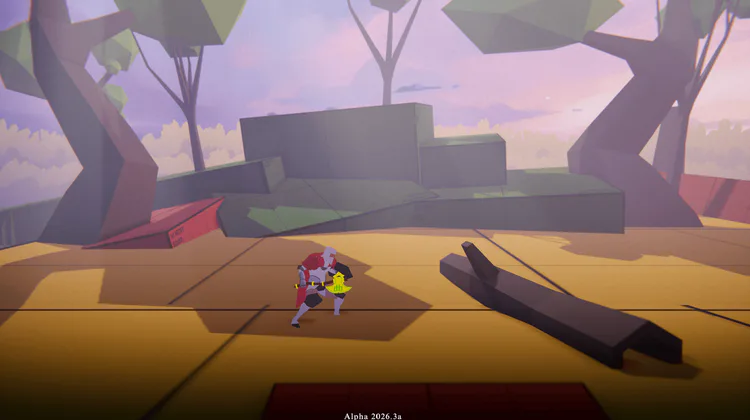
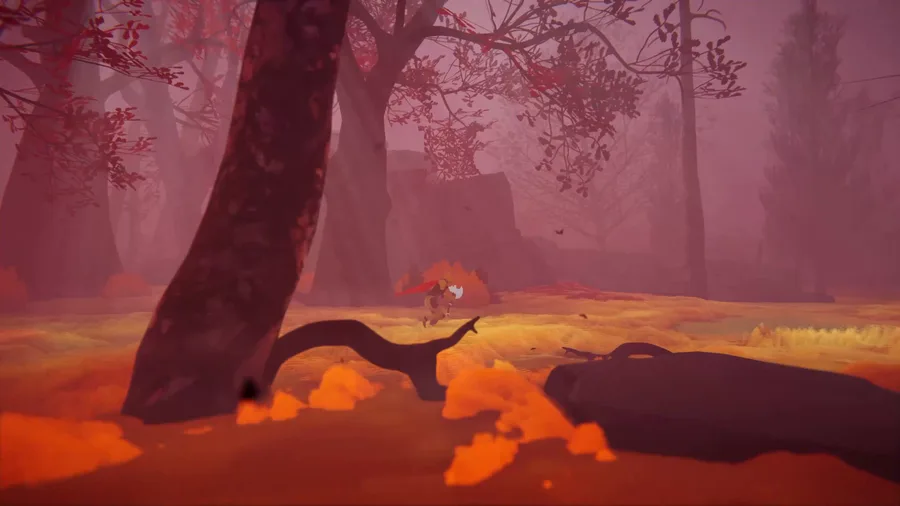
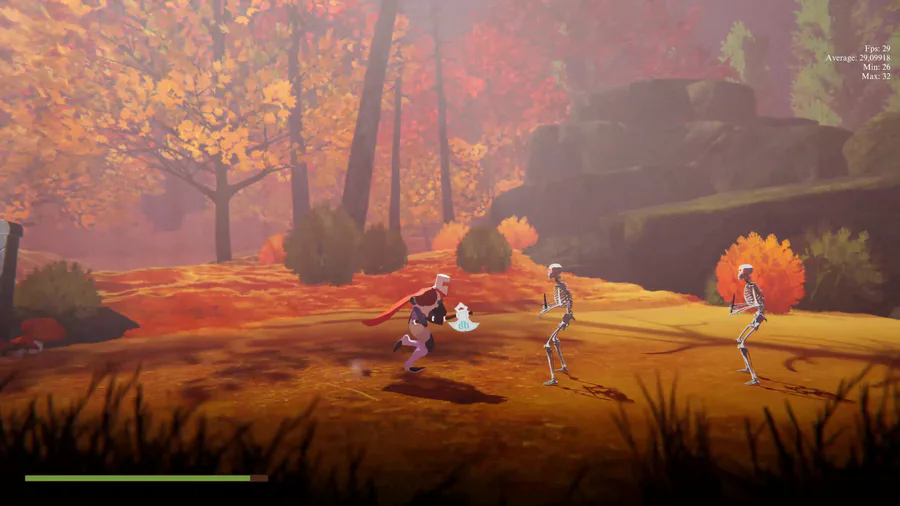
Once we're happy with how it plays, we move into the visual iteration: adding the real models, textures, lighting, atmosphere, and all the little details that make the world feel alive and beautiful.
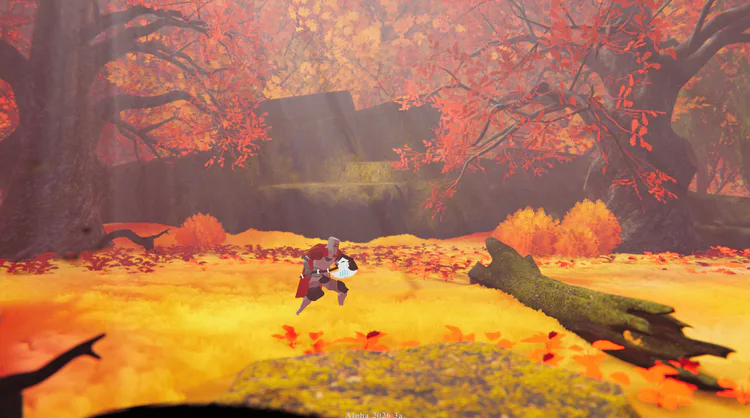
The difference is pretty dramatic, and honestly one of our favorite parts of the process.
The invisible magic: Triggers
A lot of what makes a game world feel dynamic and responsive comes down to a trick almost every game uses: invisible trigger zones. You simply walk through an area, and something happens. It's one of those things players rarely notice, and that's exactly the point.
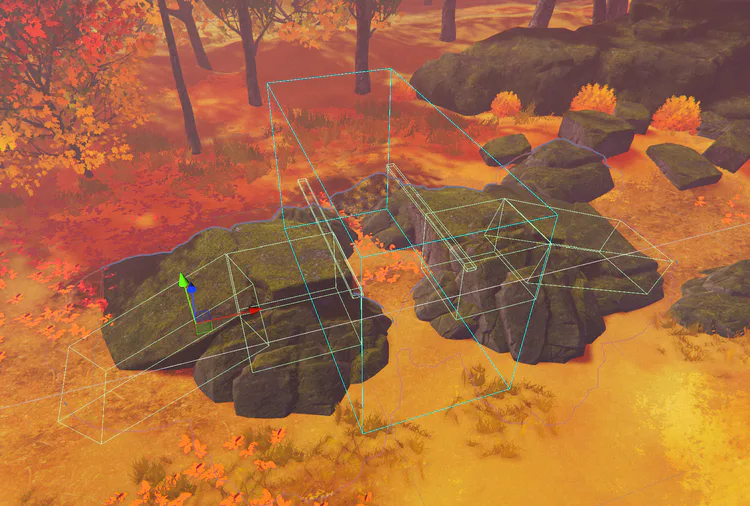
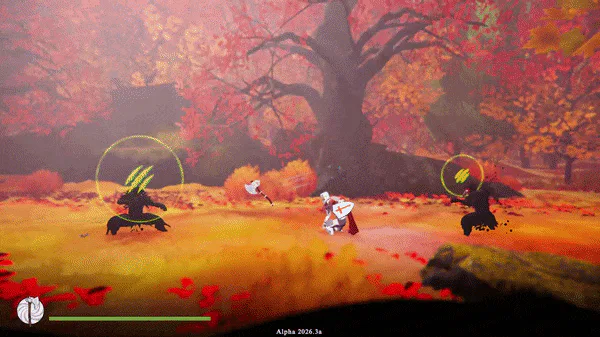
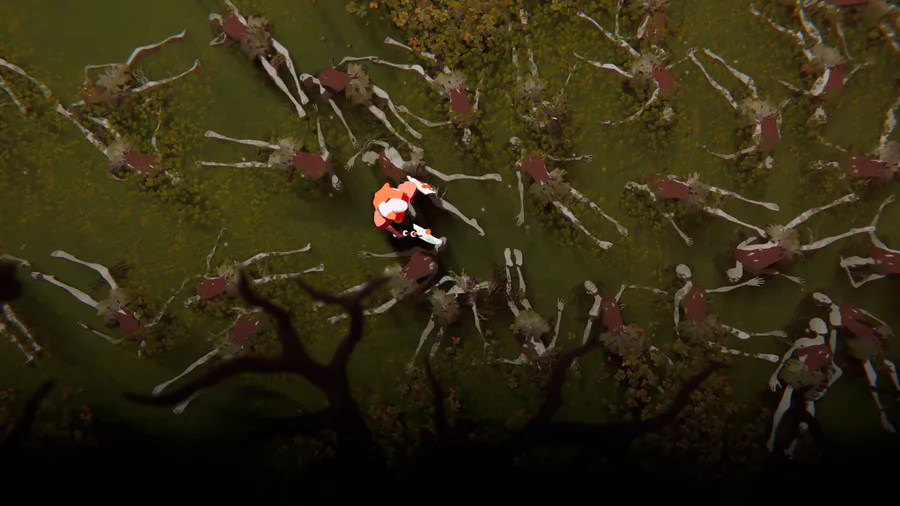
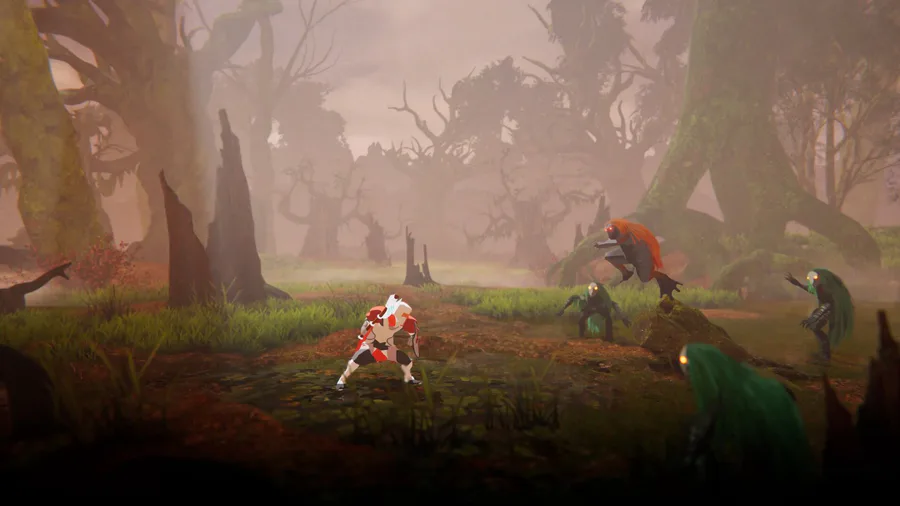
In our case, we use triggers in all sorts of ways, for example for enemy spawning. When you cross an invisible boundary, enemies appear, but always off-screen so you don’t actually notice it.
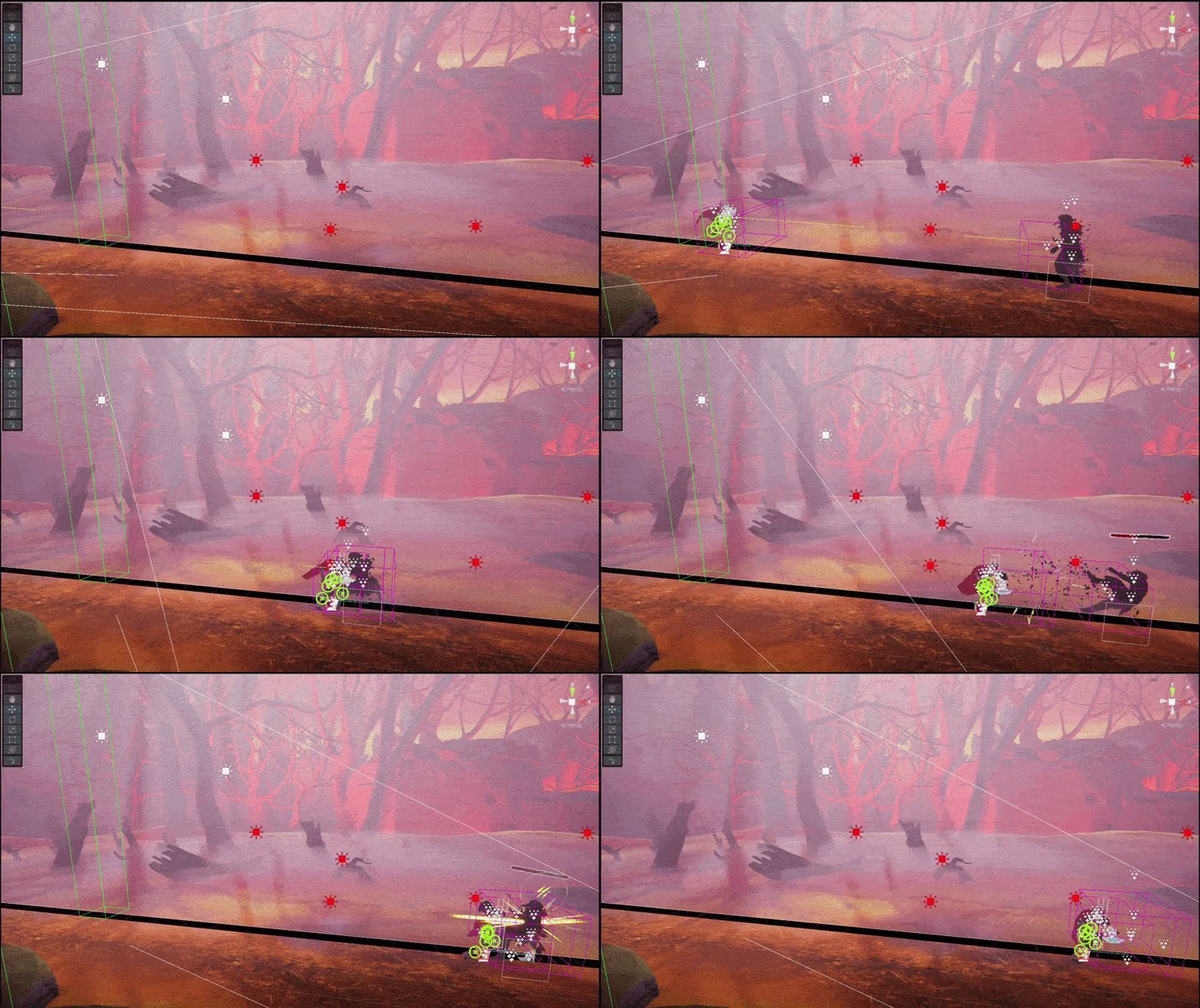
And this is how that looks in-game, from your perspective.
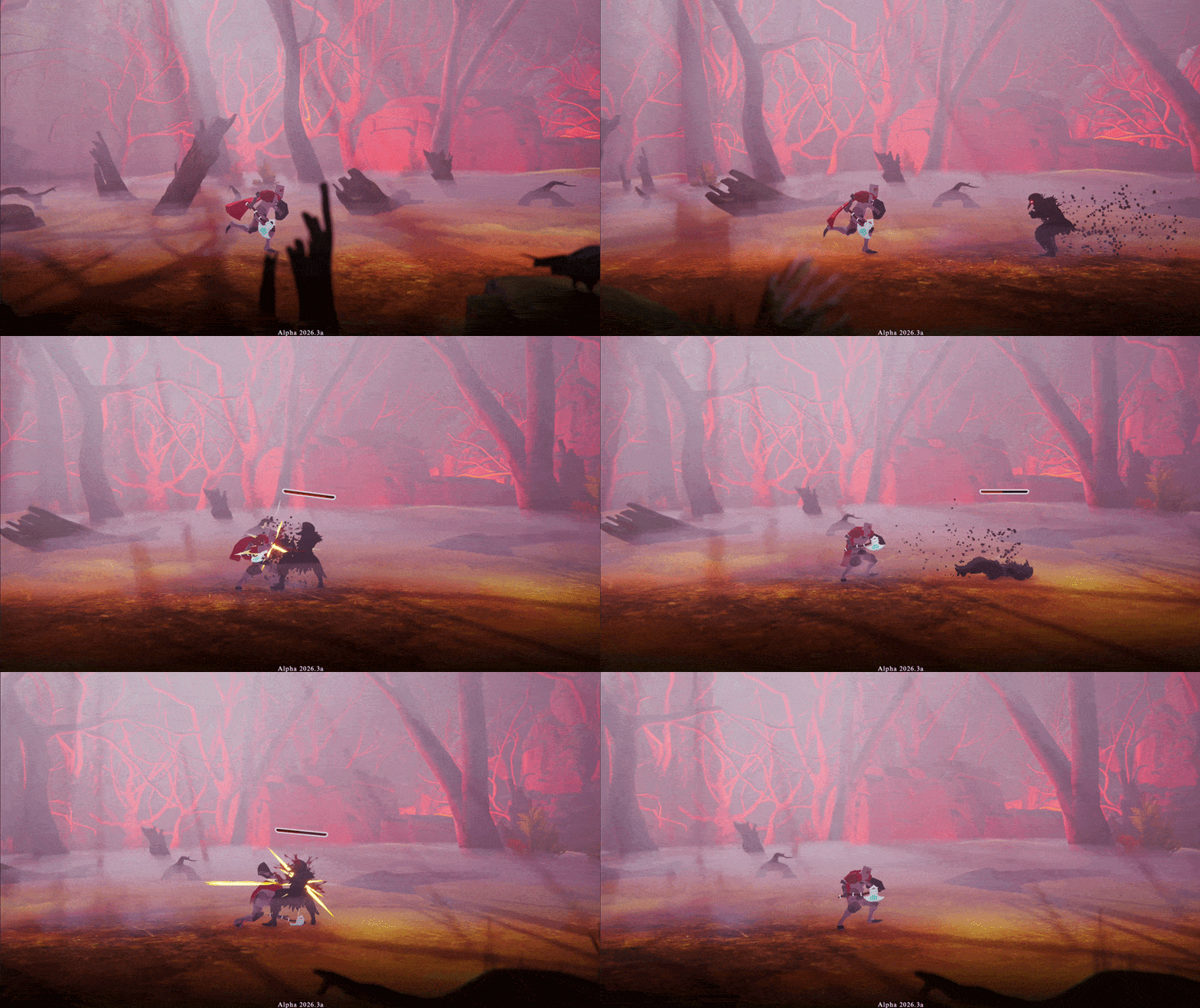
But triggers aren't just for enemies. That massive skull you run through? There's a trigger on the other side of it and the moment you pass through, it snaps shut behind you.

You can also set off these triggers with your axe. In the example below, there’s a trigger on the button, and activating it makes the doors open (and close).
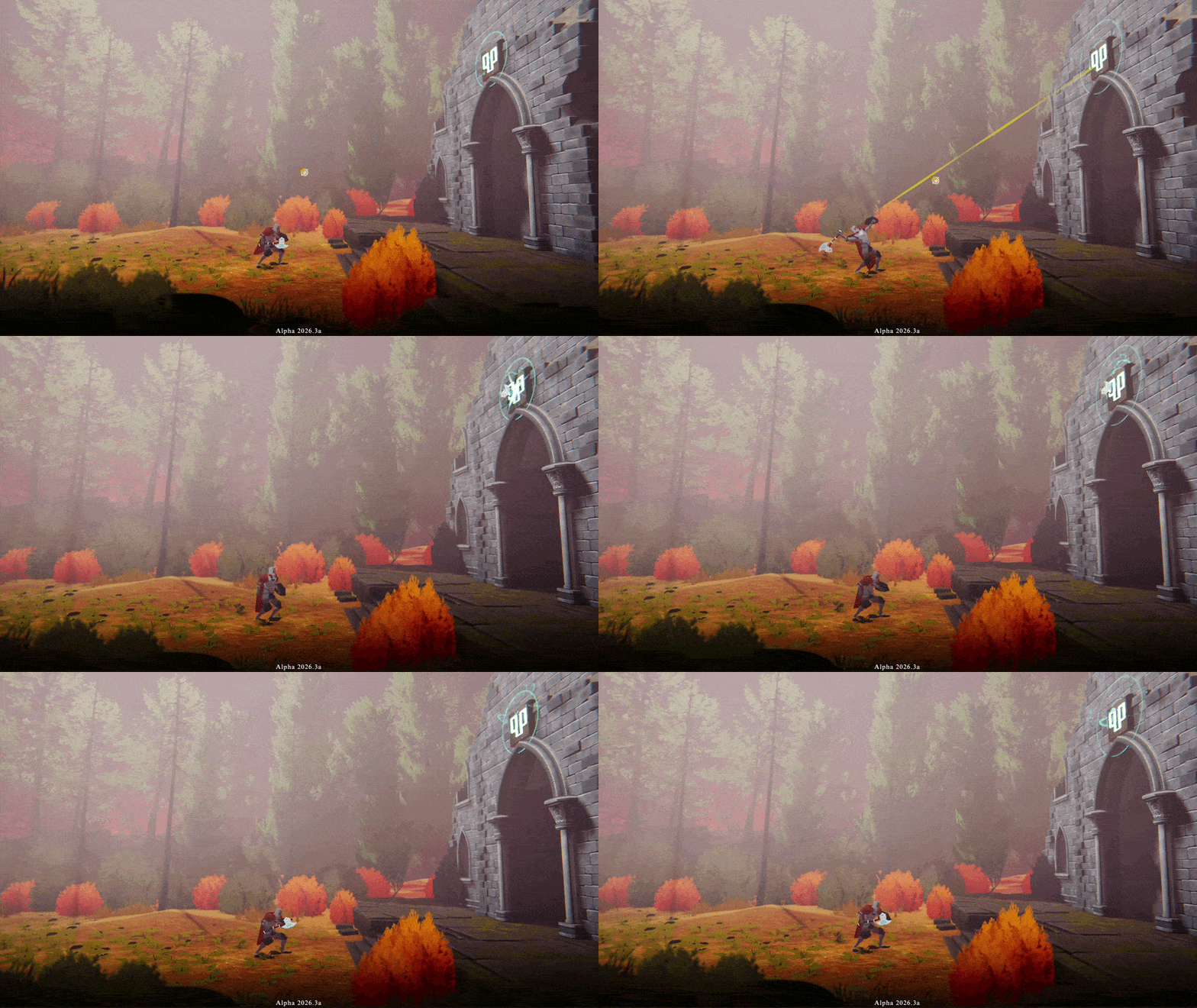
Camera triggers and cinematic moments
We also use triggers to control our camera. Dark Queen of Samobor uses a fully manually directed camera, and triggers let us switch angles at just the right moment, creating those cinematic scenes that make the world feel bigger and more dramatic than a locked perspective ever could.

It's a simple system under the hood, but the devil is in the details, and there are a lot of edge cases to juggle and consider. But getting it right gives us a ton of creative control over how you experience each moment.
That's all for this one!
Hope you enjoyed this peek behind the curtain. This is just a small slice of how things come together, and more dev blogs are on the way, so stay tuned.
And as always, thanks for following along!🖤
- Downtown Game Studio team










0 comments