 Loading...

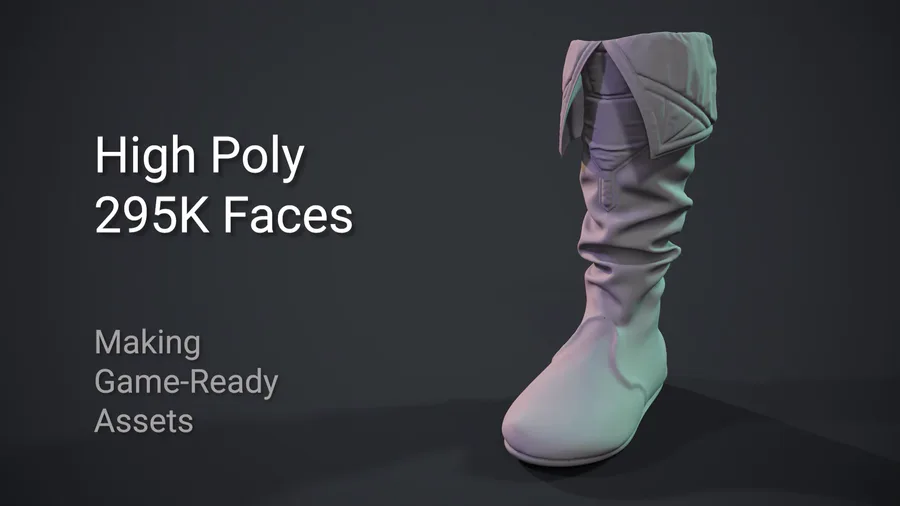
My process to create game-ready assets, from the high poly to the final model in-game.
Made with Blender and Substance Painter.



 3
3 2
2 2
2 2
2 1
1 1
1 1
1 1
1 1
1 1
1 1
1 1
1 1
1 1
1 1
1




Next up
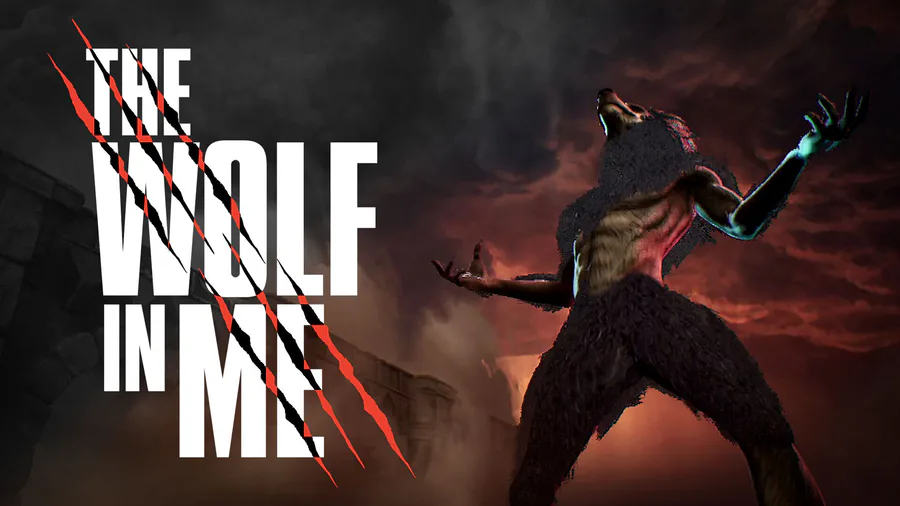
Lobo is now The Wolf in Me. A narrative-driven action game about losing control. The Steam page has been fully updated. Wishlist now https://store.steampowered.com/app/2486160/The_Wolf_in_Me/
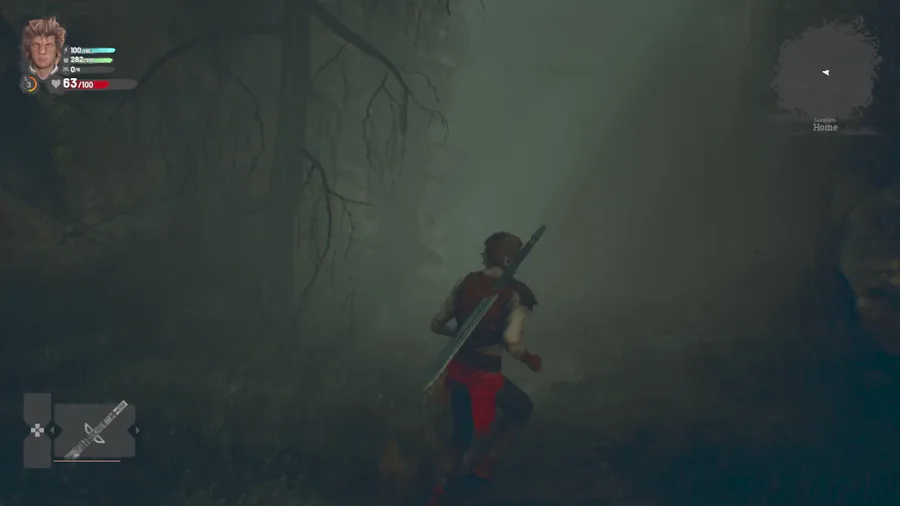
Inspired by The Last of Us, Lobo uses gates as progression. Some open only when all lanterns along a path are lit, others are tied to undead guardians. A small valley, packed with lore and history.
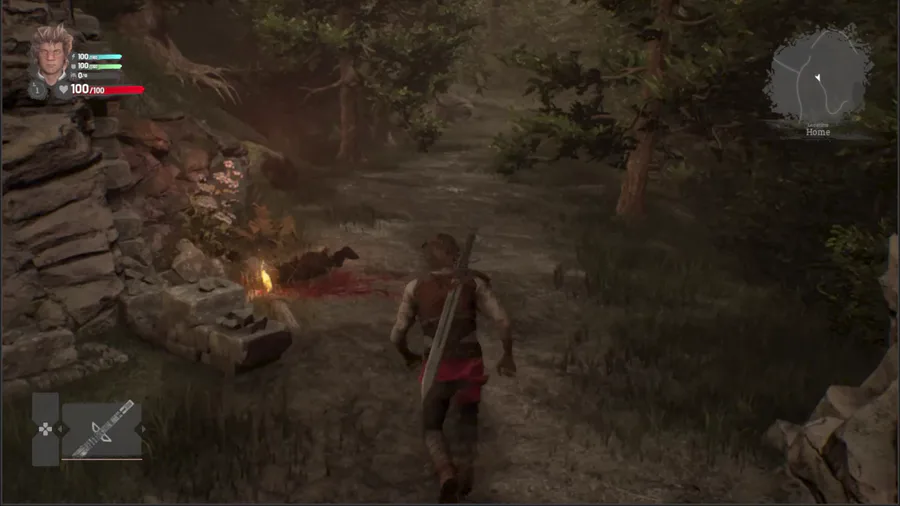
In Lobo, I use foreshadowing to keep the gameplay rhythm going. A quiet moment, a fallen hunter, and a new weapon you can equip but not use yet, just enough to tease what’s coming next.
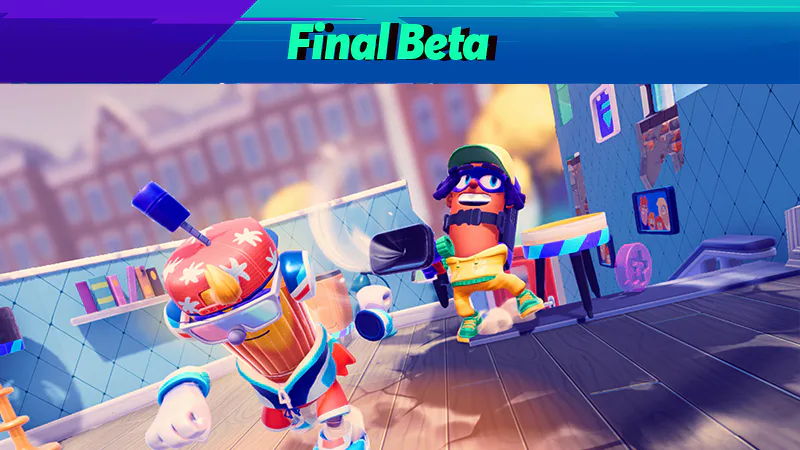

Play @pm-studios  ' Bandit Trap Open Beta!
Grab your rocket chairs, vacuums, and toilet tornadoes! Report one more time for our final beta! Live through March 23rd 6 am CET.
Complete quests based on the game!
Play the beta: https://bit.ly/BanditTrapBeta
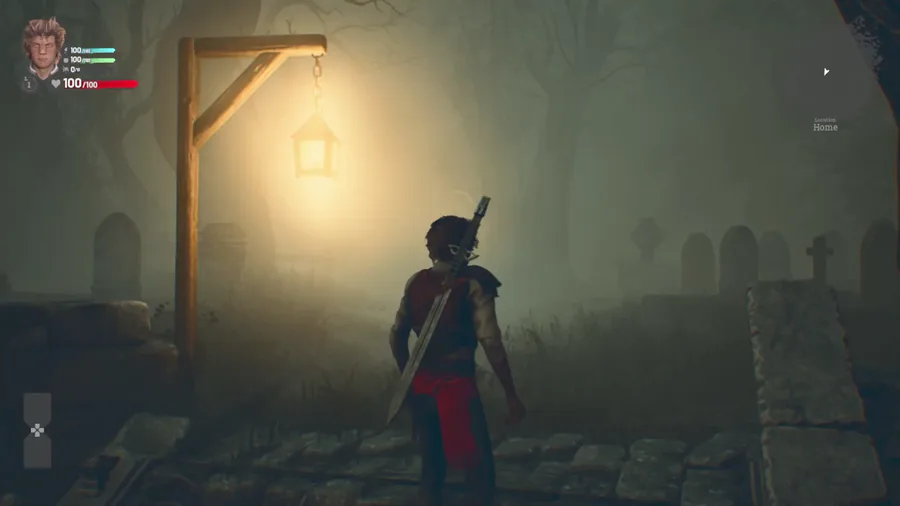
Happy Devruary! I'm developing my game, Lobo: The Wolf in Me, with Unreal Engine :-) If you love the lore of The Witcher, the gameplay of The Last of Us, and the humor of Monkey Island, this one is for you.
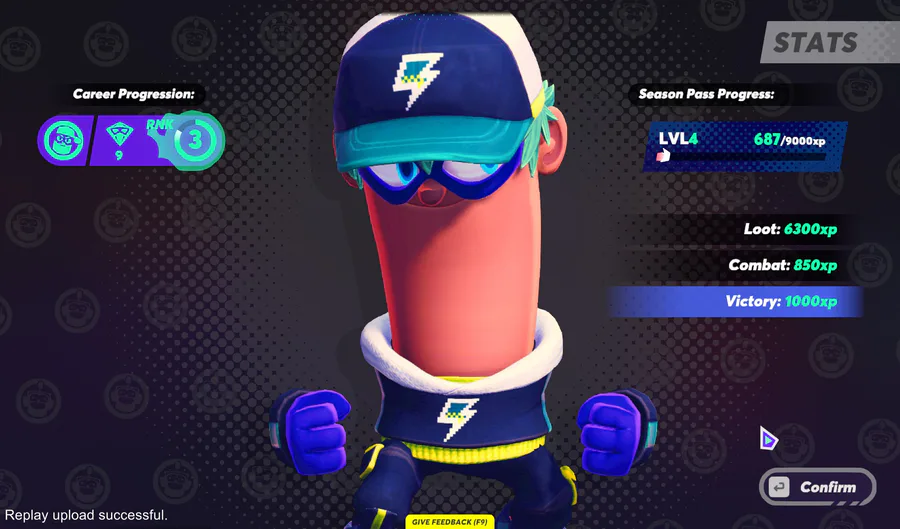
BIG NEWS: Your Bandit can wear a Game Jolt hat and shirt in Bandit Trap!
Defend your home or steal treasure in the open beta: https://bit.ly/BanditTrapBeta
It ends on March 23rd at 6 am CET!
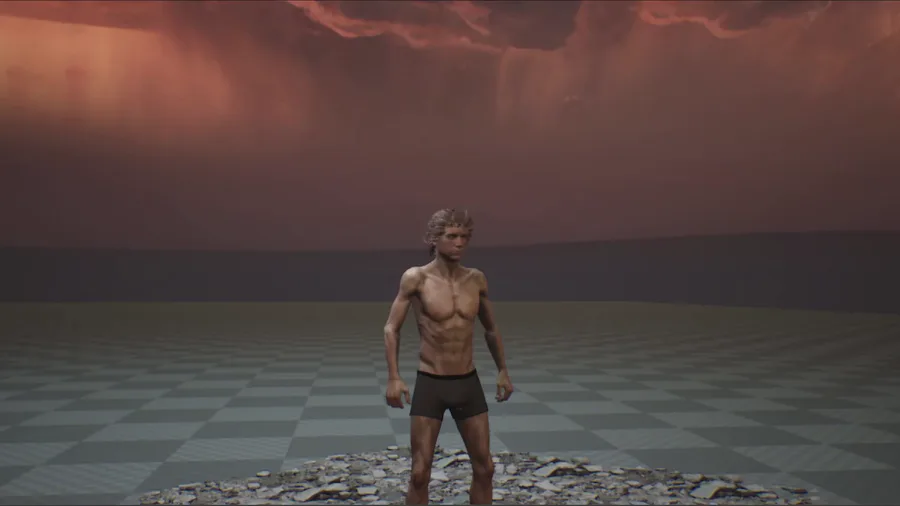
After years of development, the first prototype of the transformation is finally working.
Still a lot to polish, but it’s exciting to see it in motion.
Lobo is a narrative driven action game about struggling with the beast inside you.
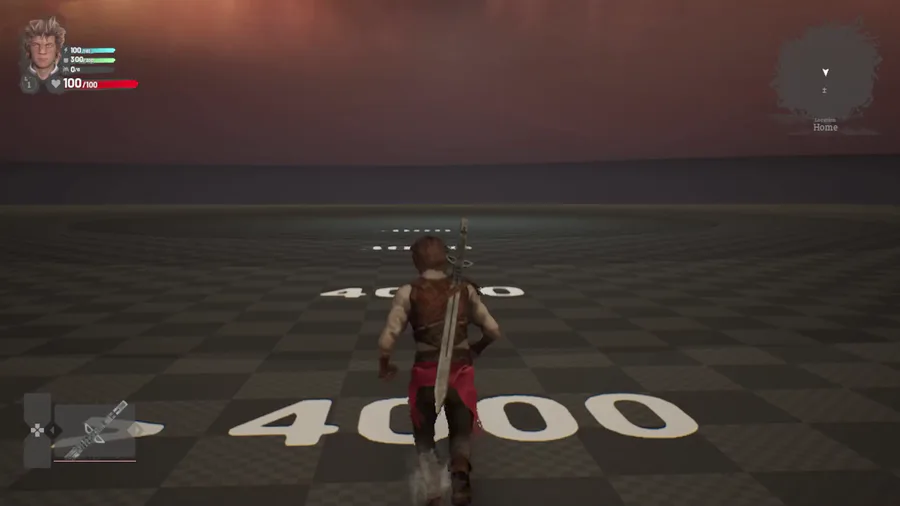
In Lobo, I optimize enemy AI with distance-based activation. Only nearby enemies are fully active, keeping performance smooth while encounters stay smart and meaningful.
This week's Fan Art Friday celebrates Bandit Trap! Accept the quest in your quest log to get started.
Defend your home or steal treasure in the open beta: https://bit.ly/BanditTrapBeta
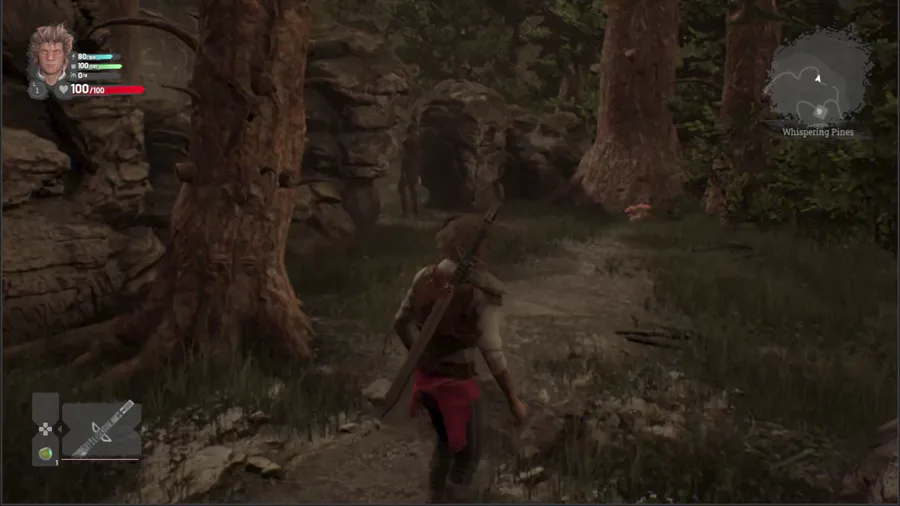
Tutorials in Lobo are optional, easy to skip, and only cover key mechanics that aren’t obvious. They’re brief and direct, and yes! They break immersion, but that’s intentional: quick info bites help you immediately apply what you learn.
2 comments