Alright, pull out your notebook:
Visual novels, by definition, will always have choices as a form of gameplay (thus separating them from kinetic novels). The choices themselves often have scenes tied to them, in that the scenes remain locked unless you make the "parent choice". This can also apply to other choices, thus bringing the tiers into play:
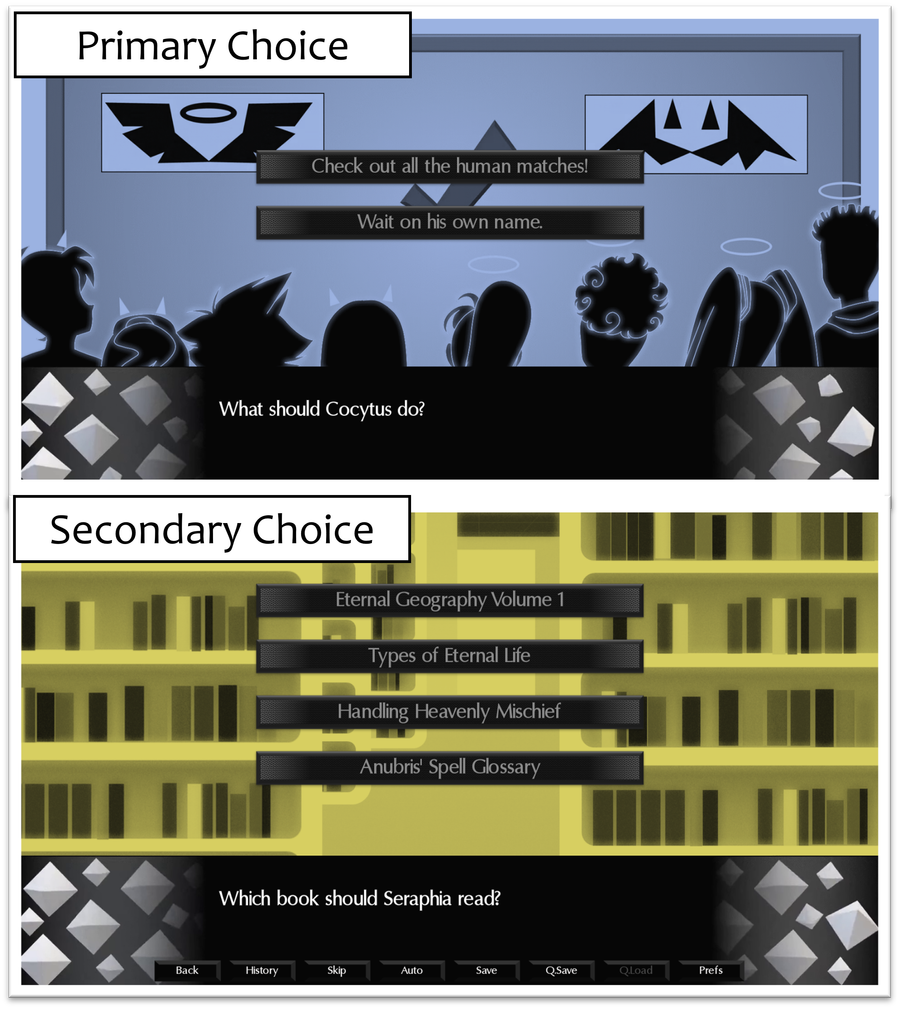
Primary Choices - choices that are present in the "main storyline" of a VN. They are not hidden behind anything, you will see them no matter how you play. In non-linear visual novels, they tend to be more concentrated toward the beginning of the story, before any big decisions that determine your progress toward things like relationship stats or ending triggers. They are the "parent" to all other choice tiers.
Secondary/Tertiary/etc. Choices - these are choices that only appear as a result of choosing one option of a primary choice and will remain hidden otherwise. They can often outnumber primary choices in stat-building VNs simply because the story flow is that comprehensive. In Ren'Py, they can usually be handled with a flag attached to a parent choice.
Point-score choices - choices that only appear as the result of a threshold being met when using a point system. They're not just unlockable scenes, they are a choice between multiple unlockable scenes. You will often find them in the latter half of a story, if not in one of the game endings.
Point-count choices - choices that directly contribute to the point total of a game stat. They are the key to unlocking point-score choices and their scenes. They can be spread out across a VN story, or can happen in rapid succession for more immediate results.
Origin choices - choices that influence the appearance and/or content of other choices. The different options of an origin choice will make the content shown by later story choices look different, even if the choices themselves look the same. By default, these cannot be the last choice of a VN story unless they trigger a persistent flag - something unlocked for all future playthroughs of the VN.
Each can add a special flair to the story that makes it more immersive, whether you choose to have UI elements to keep track or not. Some VNs use meters and point scores to keep track, some used a more visual approach such as unlockable entries to a journal or gallery, and some don't use anything at all, giving the player the challenge to figure everything out on their own.
The only real downside is the extra amount of debugging you have to do for each type across the board. The logic can get really messy really fast (especially when using sprites) unless you have really good organization (or a really short story)!
In my experience, point-count choices and origin choices are the most arduous to deal with, but they can be a lifesaver when trying to make a really lore-heavy story digestible!
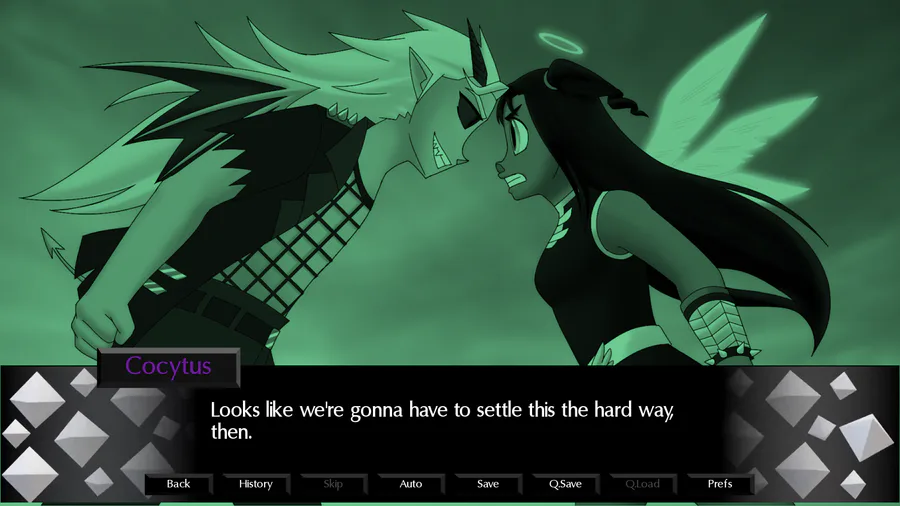
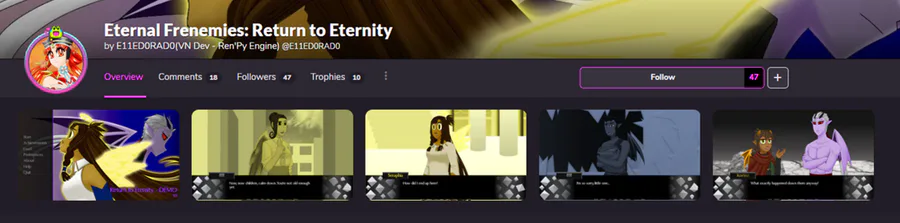
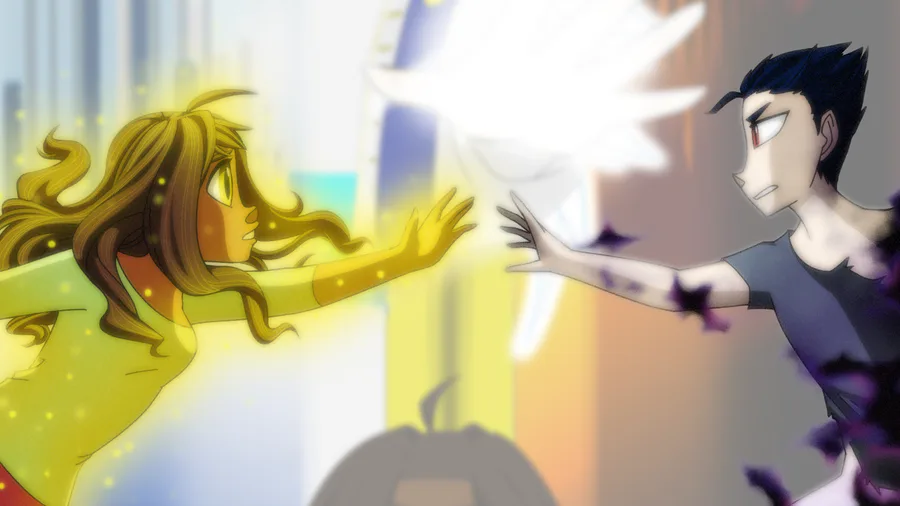
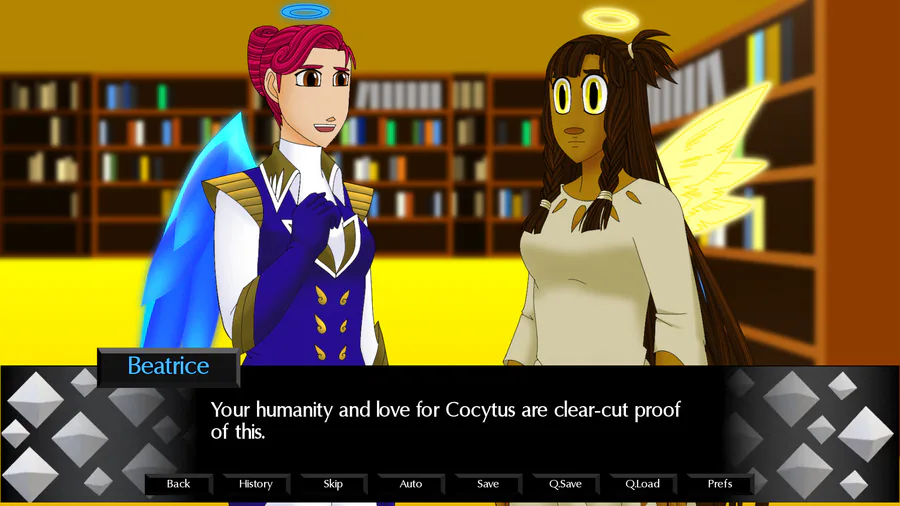
The Return to Eternity VN story has most of these choice types, as a way to let the user control how much lore they are met with as they play. Since none of the content behind primary choices will not be needed to reach the story's end, there will be no UI elements, but achievements will appear from certain milestones!
I hope this helps you have a lot of fun should you decide to tackle creating your own VN game!
#renpy #visualnovel #help #advice #tips #community #vngame #gamedev #VNdev #storygame #meaningfulchoice #rpg #tutorial #tyranobuilder #python








0 comments