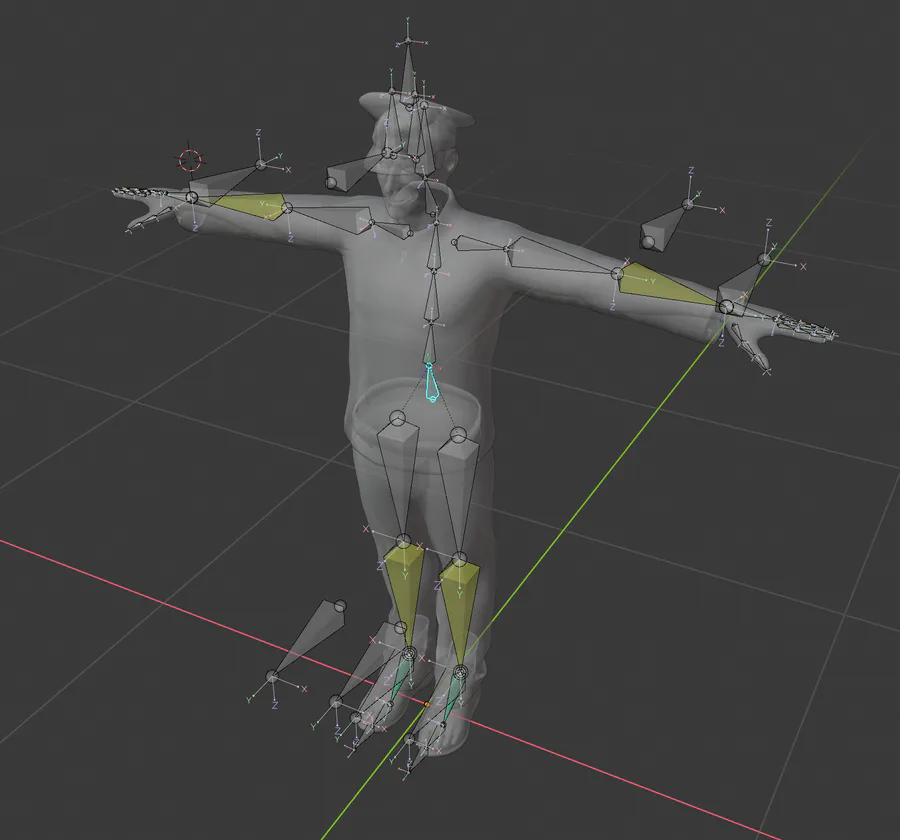
A WW1 British soldier is now full rigged and ready for animation.
Next up
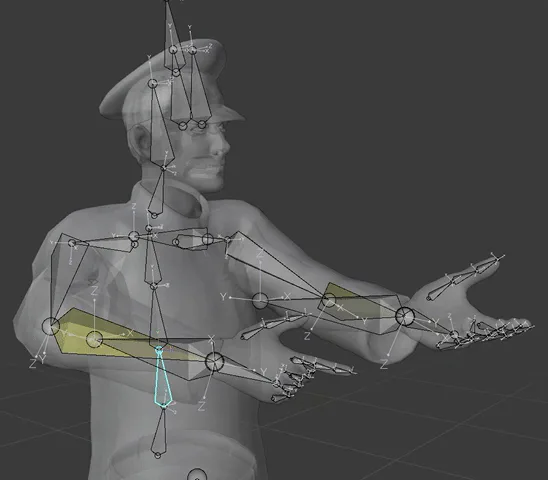
Idle animation is almost done. I made the bones visible so you can see how each one has to move in a particular way to make the whole body move. We then blend these animations in with other ones, such as walk/run, look up and more.
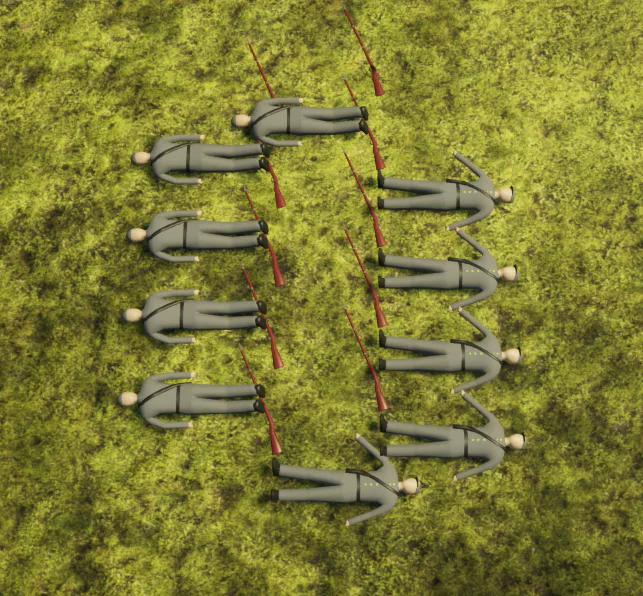
Maybe not enough various in the death animations?
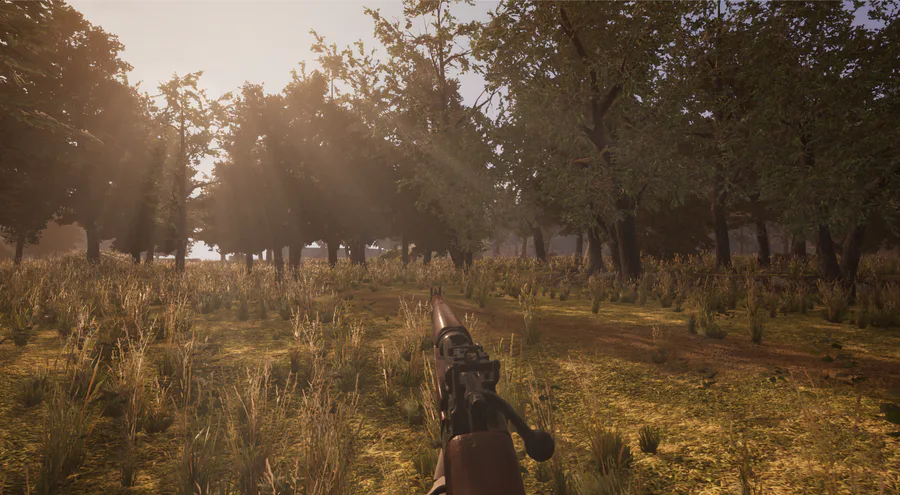
Lots of technical difficulties are popping up, from dead computers to engine crashes. But we're still making progress! Here's a sneak peak at one of the latest levels being developed.
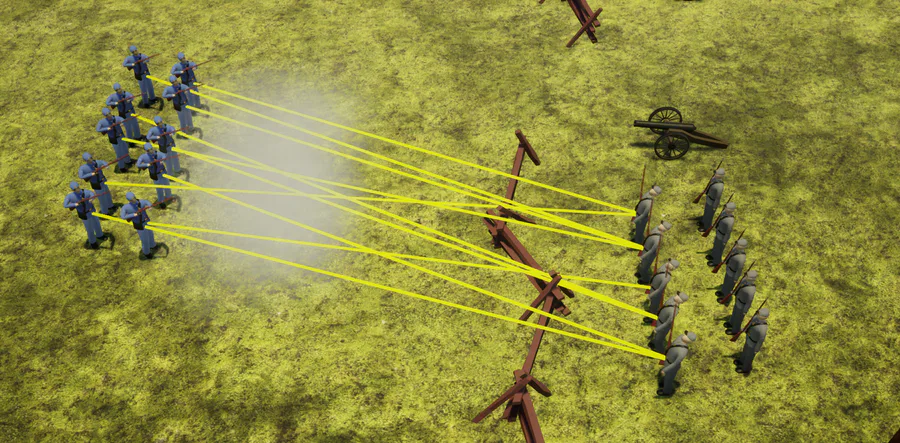
Without any AI implemented yet, the opponent just stands there and gets shot. Working on that next!
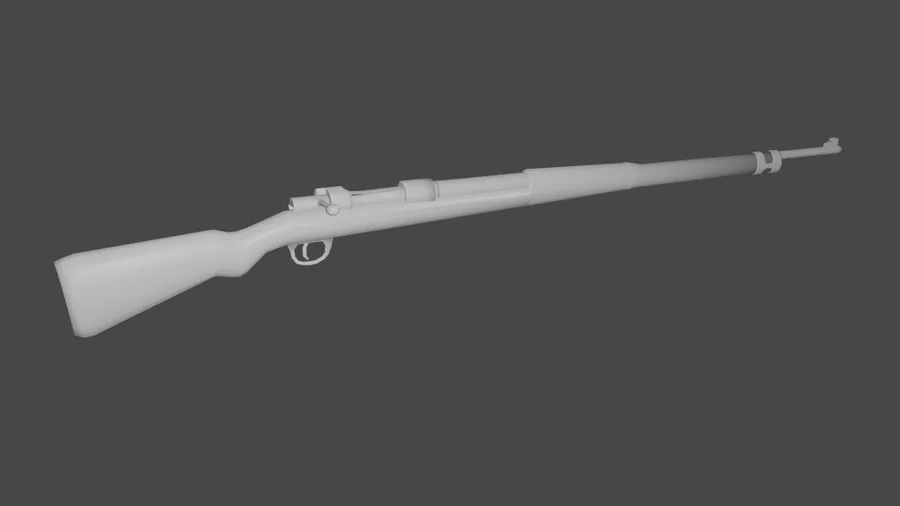
First pass at the German Mauser 1898, one of the common rifles used early in World War 1. This is a step towards creating our German soldier. We have the AI, now part of the rifle. Next will be modeling and animating the soldier.
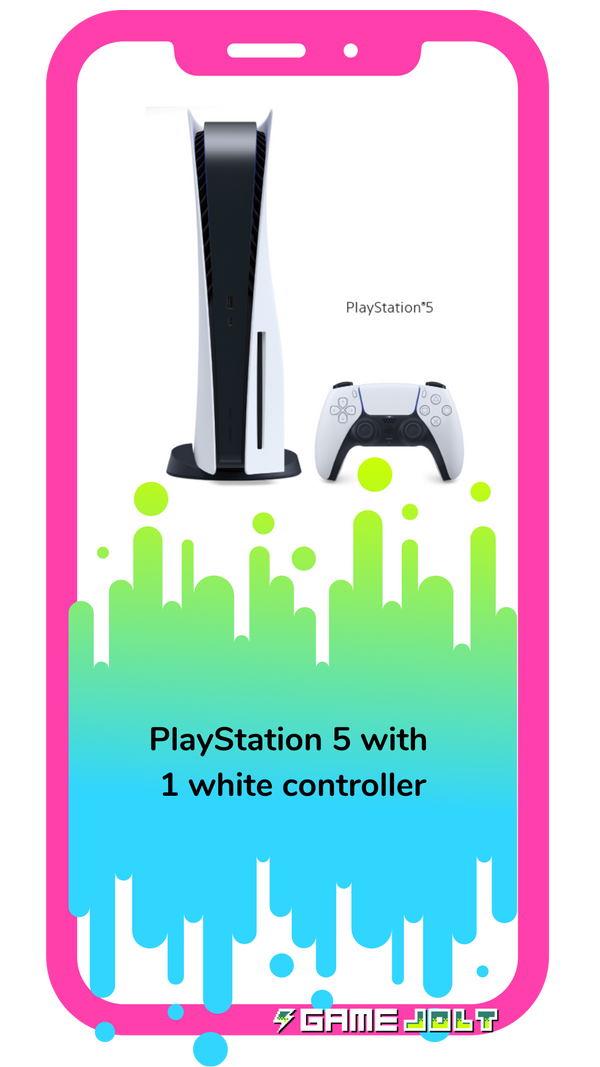
I won!? Still not sure I believe it! I'm still playing on the PS1, so this will be a huge upgrade for me! Now I can't say I've haven't won anything, anymore! Thanks so much to the Game Jolt!!!!
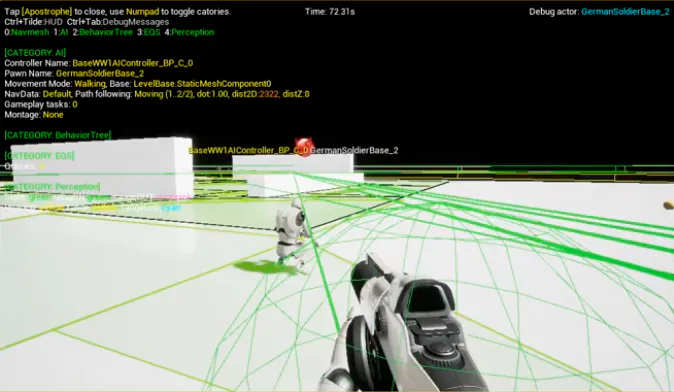
Testing enemy AI is complex and visual debugging and feedback is an integral step to figure out what's going on in real time. Thanks to our AI programmer James on getting the enemy AI in.
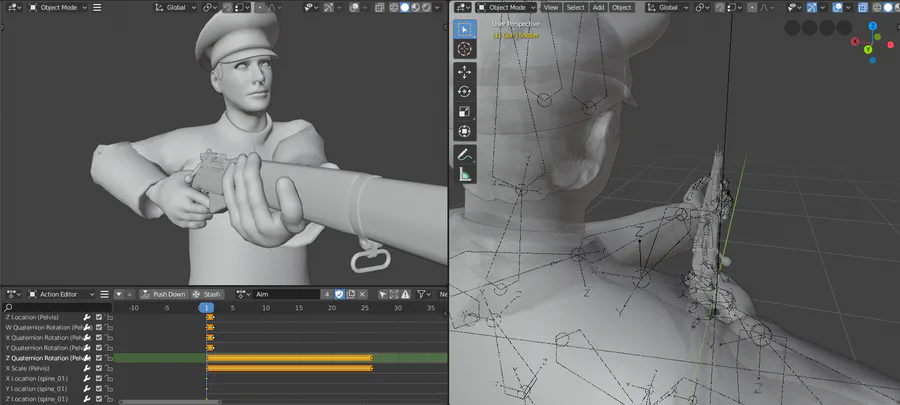
Behind the scenes look at the first person modeling and animation. While the soldier won't be seen, hands and arms (and sometimes feet) will be. So we can cull out the body in first person-only model to make it more efficient.
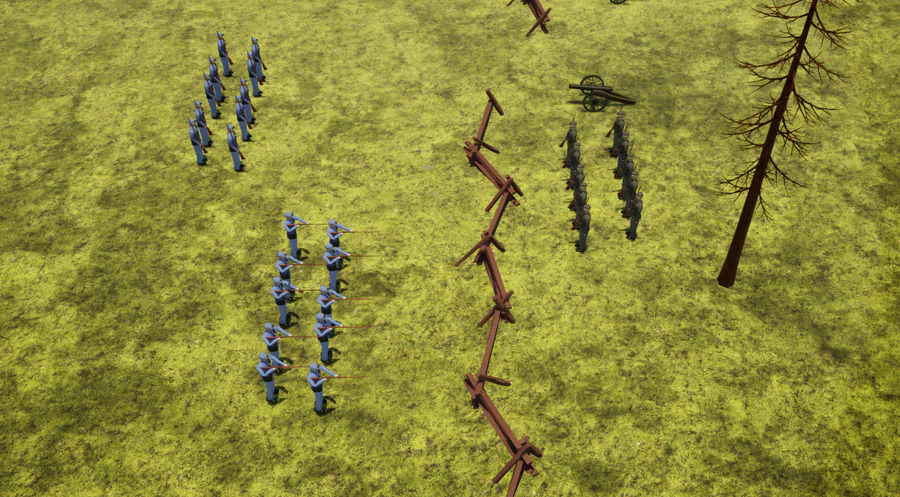
Our Brotherly War is an action strategy game where you move your armies around the United States and engage in real-time battles with infantry, cavalry and cannons.
Casualties are permanent, resources are scarce, and the battles are uncertain.
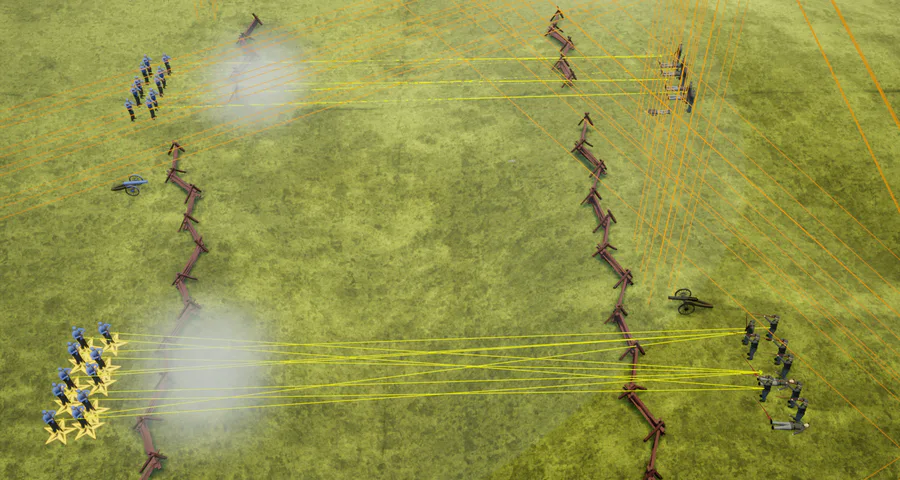
Debug lines! Testing firing-ranges and damage fall off from distance, as well as targeting various groups of enemies with a bit of chaos mixed in.
0 comments