 Loading...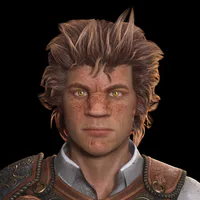

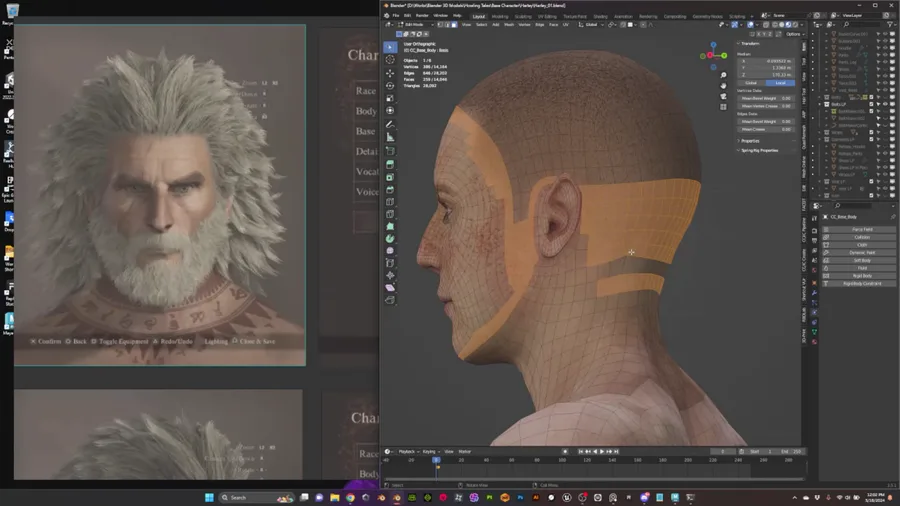
Creating hair for video games is no easy task! Check out this quick timelapse of my process from #Blender3D to #UnrealEngine5 for my game Lobo.




 1
1 1
1 1
1 1
1 1
1 1
1





Next up
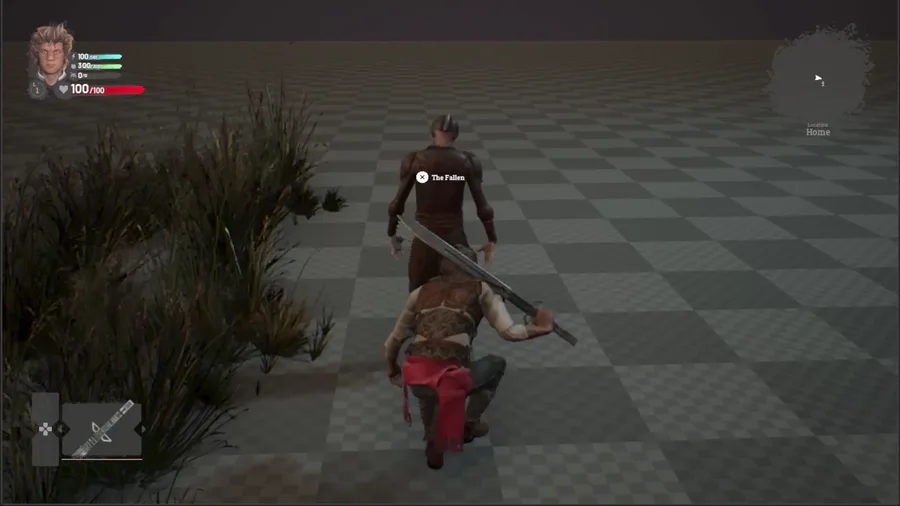
In Lobo, finishers use a dynamic Spectator Camera that finds the best shot in real time. It tests nearby angles, avoids occlusion, and adapts even in tight spaces to keep executions cinematic.
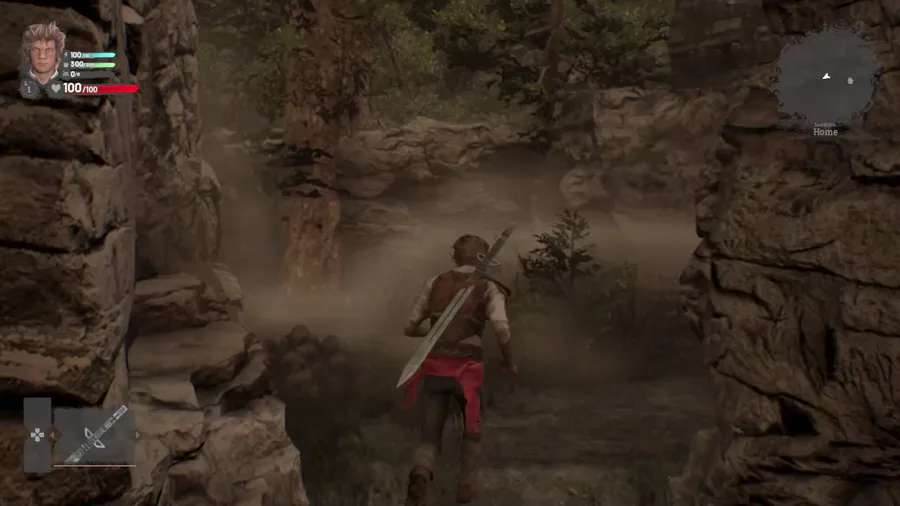
In Lobo, fights aren’t one-note. Go full berserker or stay hidden and use the environment to your advantage. Stealth kills, quiet footsteps, and smart positioning let you choose how to survive.
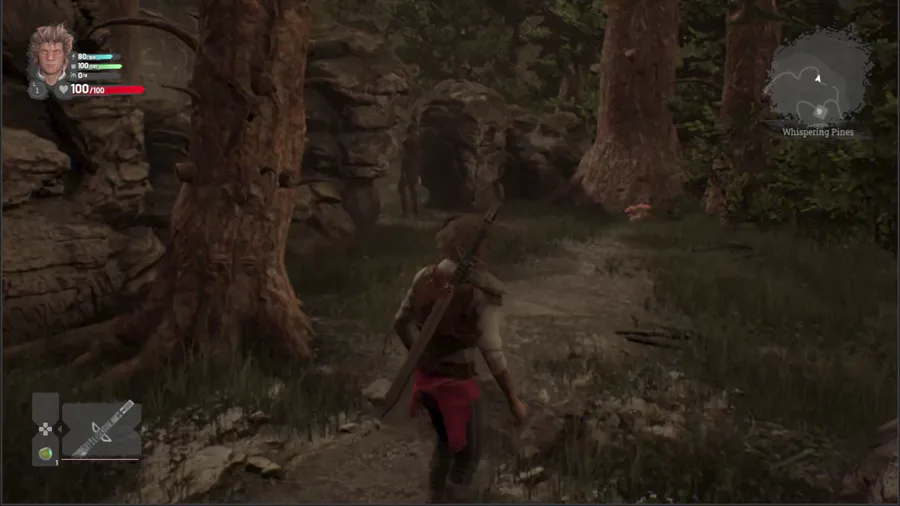
Tutorials in Lobo are optional, easy to skip, and only cover key mechanics that aren’t obvious. They’re brief and direct, and yes! They break immersion, but that’s intentional: quick info bites help you immediately apply what you learn.


Some renders I made a while ago.
Goodnight!
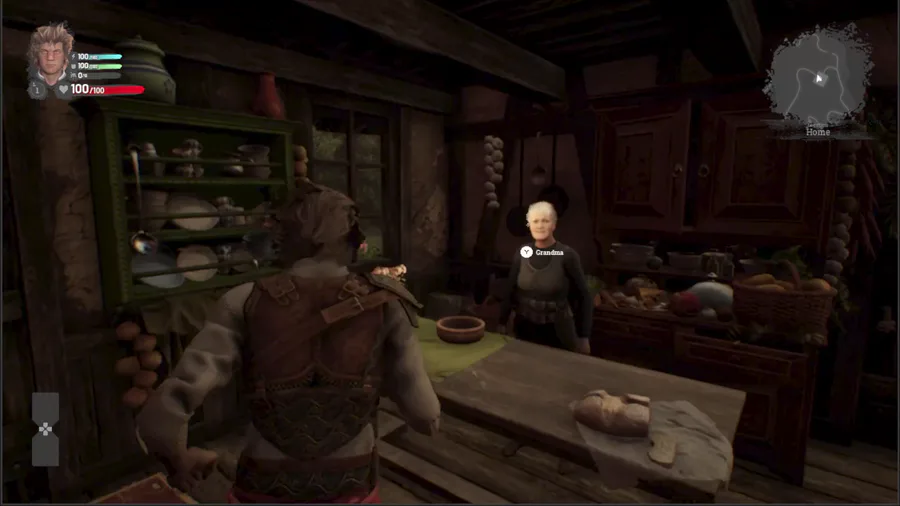
No mocap, no actors. Just a solo-dev workflow using facial animations and lipsync to bring dialogue and characters to life in Lobo. AI voices for now, real actors later.


Happy #WIPWednesday! Are you working on a game? Making some art? Practicing a song? Something else? Tell us in the comments!
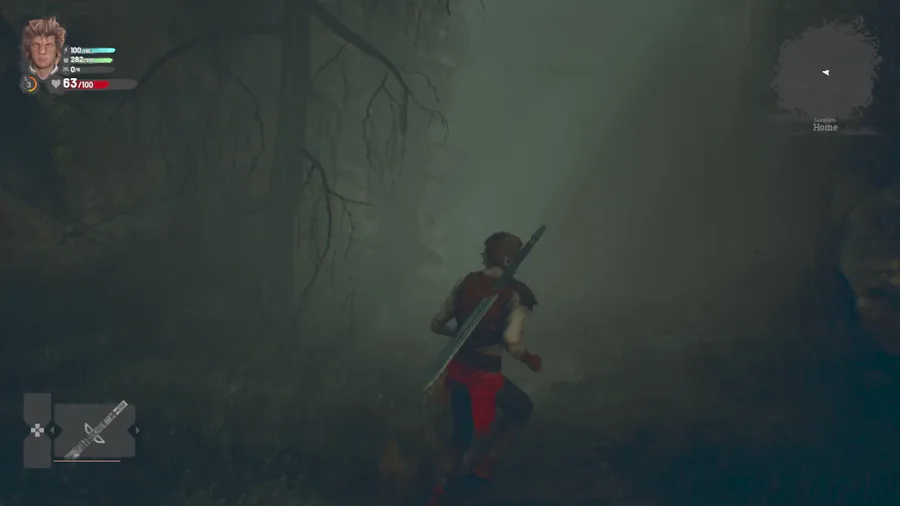
Inspired by The Last of Us, Lobo uses gates as progression. Some open only when all lanterns along a path are lit, others are tied to undead guardians. A small valley, packed with lore and history.
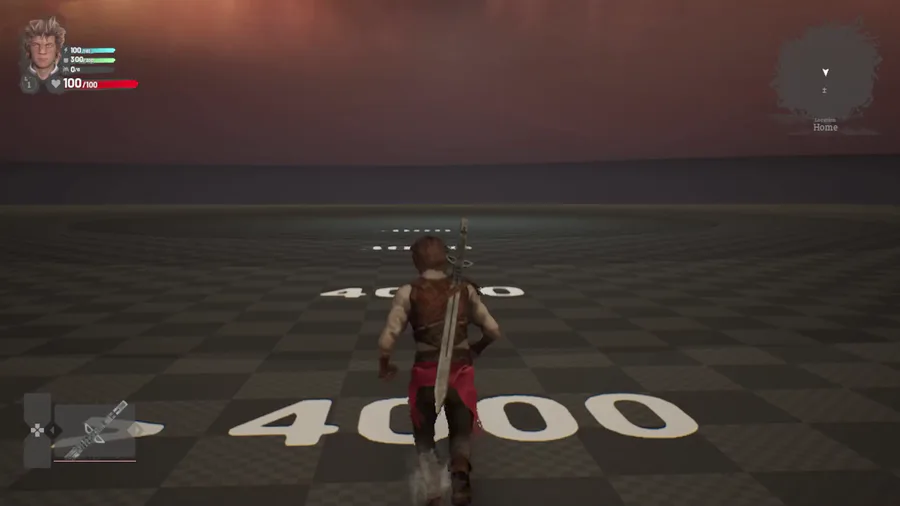
In Lobo, I optimize enemy AI with distance-based activation. Only nearby enemies are fully active, keeping performance smooth while encounters stay smart and meaningful.

Happy #WIPWednesday! Are you working on a game? Making some art? Practicing a song? Something else? Tell us in the comments!
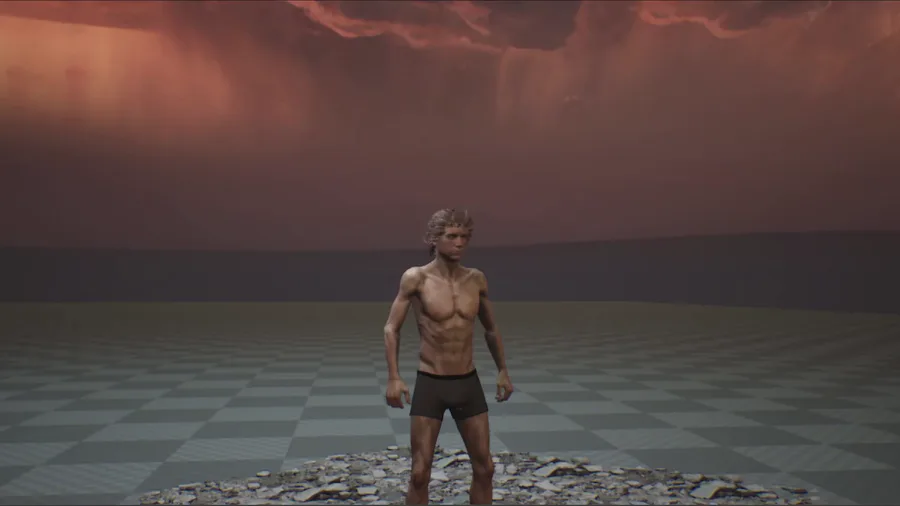
After years of development, the first prototype of the transformation is finally working.
Still a lot to polish, but it’s exciting to see it in motion.
Lobo is a narrative driven action game about struggling with the beast inside you.
6 comments